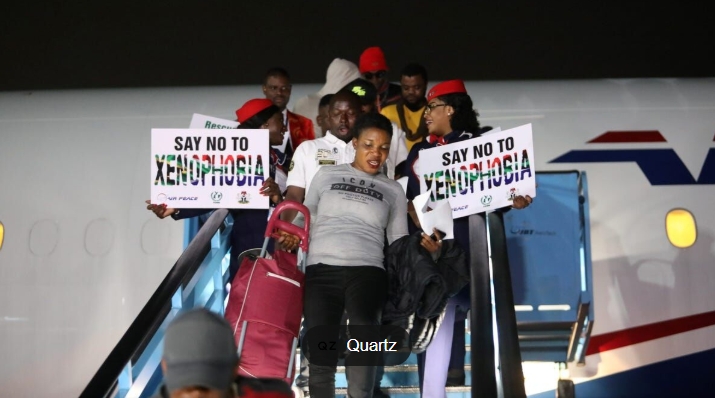
The South African government has announced plans to dispatch special envoys to several African countries and other international partners following a recent wave of xenophobic attacks that have sparked regional concern and diplomatic unease.
The move is aimed at restoring confidence, strengthening diplomatic ties, and reassuring foreign governments and migrant communities that South Africa is taking concrete steps to address violence targeting foreign nationals.
Government Moves to Contain Diplomatic Fallout
According to officials from the Department of International Relations and Cooperation (DIRCO), the decision to send envoys comes after mounting pressure from African states and international observers who have expressed alarm over recurring outbreaks of xenophobic violence in parts of South Africa.
The envoys are expected to engage with governments across the African continent, as well as selected partners in Europe, Asia, and the Americas, to explain South Africa’s response measures and outline steps being taken to prevent further incidents.
Officials say the diplomatic outreach is intended to “reaffirm South Africa’s commitment to African unity, human rights, and the protection of all foreign nationals residing in the country.”
Focus on Reassurance and Regional Stability
South Africa has long positioned itself as a key advocate for Pan-African cooperation and economic integration. However, repeated incidents of xenophobic violence have strained relations with some neighbouring countries, which have previously issued travel advisories and formal diplomatic protests.
The government’s envoy strategy is expected to focus on rebuilding trust and addressing concerns about the safety of migrants, particularly those working in informal trade, retail, and urban economic sectors.
Analysts say the initiative is also designed to prevent retaliatory actions or diplomatic isolation from African partners who rely on strong ties with South Africa for trade, migration, and regional cooperation.
Domestic Pressure to Address Root Causes
Inside South Africa, the announcement comes amid renewed debate over unemployment, inequality, and competition for informal-sector jobs—factors widely cited as underlying drivers of xenophobic sentiment.
Civil society organisations have called for stronger policing, improved community outreach, and long-term socio-economic reforms rather than temporary diplomatic responses.
Human rights groups have also urged the government to ensure accountability for perpetrators of violence and to improve protection mechanisms for foreign nationals in high-risk areas.
Past Waves of Xenophobic Violence
South Africa has experienced several major outbreaks of xenophobic attacks over the past two decades, including in 2008, 2015, 2019, and more recently in sporadic incidents across urban centres.
These events have often resulted in deaths, displacement of migrant communities, and looting of foreign-owned businesses, drawing widespread condemnation from the African Union and the United Nations.
The latest incidents have revived concerns about whether current prevention strategies are sufficient to stop recurring cycles of violence.
Diplomatic Engagement Across Continents
Officials say the planned envoys will not be limited to African countries alone. Engagements are expected to include multilateral organisations and key international partners who have previously raised concerns about human rights and migration protection in South Africa.
The diplomatic missions will reportedly emphasize South Africa’s commitment to constitutional protections, rule of law, and ongoing efforts to strengthen community policing and social cohesion.
Government Response Measures
In addition to diplomatic outreach, the South African government is expected to coordinate with law enforcement agencies to intensify investigations into recent attacks.
Authorities have also indicated that early warning systems and community-level monitoring mechanisms may be strengthened to prevent future outbreaks of violence.
Some provincial governments are already working with community leaders and migrant associations to improve communication and rapid response protocols in affected areas.
Regional Reactions and Expectations
Neighbouring countries in the Southern African Development Community (SADC) region are closely monitoring developments, with some governments reportedly seeking assurances that their citizens living in South Africa will be protected.
Regional analysts say the success of the envoy initiative will depend on whether it is matched by visible improvements on the ground, including arrests, prosecutions, and sustained protection for vulnerable communities.
Looking Ahead
The deployment of envoys marks a significant diplomatic step for South Africa as it seeks to balance domestic challenges with its responsibilities as a regional economic hub and political leader on the continent.
While the initiative is being welcomed as a proactive measure, observers caution that long-term credibility will depend on sustained action to address the root causes of xenophobic violence.
For now, the government’s focus is on preventing further escalation and rebuilding strained relationships across Africa and beyond.
________________________________________________________________________________________________________________