Kyiv’s Diplomatic Gamble Aims Beyond the Kremlin
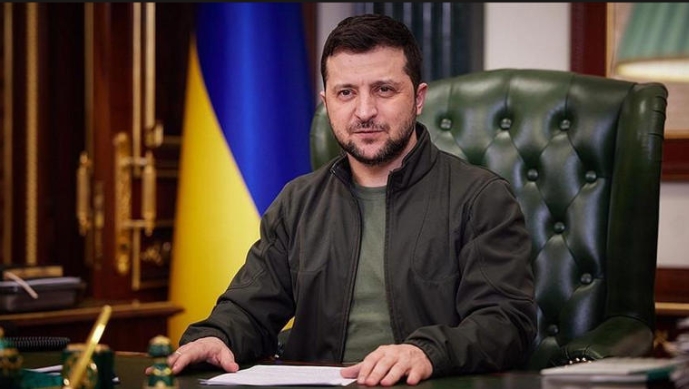
Ukrainian President Volodymyr Zelenskiy’s latest appeal for direct peace talks with Russian President Vladimir Putin appears to have been aimed at a much broader audience than the Kremlin alone, as Kyiv seeks to increase pressure on Moscow amid a grinding war that has entered its fifth year.
In an open letter published on June 4, Zelenskiy proposed a face-to-face meeting with Putin to discuss ending the conflict, offering a renewed diplomatic initiative while warning that Ukraine would continue fighting if Russia refused meaningful negotiations. The letter was also sent to other countries, including the United States, underscoring Kyiv’s intention to rally international support behind its peace efforts.
The timing of the letter was particularly significant. Zelenskiy released it as Putin was hosting foreign media and business leaders at the St. Petersburg International Economic Forum, Russia’s premier investment gathering. Ukrainian officials say the message was crafted not only for the Russian leader but also for influential Russian business figures, government officials and foreign partners increasingly concerned about the economic and political costs of the prolonged war.
Message to Russia’s Economic Elite
According to Ukrainian officials familiar with the initiative, Kyiv believes growing segments of Russia’s elite are becoming frustrated with a conflict that has strained the country’s economy and complicated long-term investment prospects.
The St. Petersburg forum, often described as Russia’s answer to the World Economic Forum in Davos, has become a platform where competing views about the war are increasingly visible. While hardliners continue to advocate for a prolonged confrontation with the West, other voices have highlighted the economic benefits of seeking an end to hostilities.
By publishing the letter during the event, Zelenskiy sought to amplify discussions about the war’s costs and encourage debate within influential Russian circles over the country’s future direction.
Proposal for Direct Negotiations
In the letter, Zelenskiy called for direct engagement between the two leaders, arguing that only high-level political negotiations can resolve the core issues driving the conflict. He proposed meeting in a neutral country and suggested that international partners could help facilitate the process.
Ukraine indicated it would be prepared to implement a full ceasefire during negotiations and proposed confidence-building measures, including a large-scale prisoner exchange and the return of civilians and children taken from occupied territories.
The Ukrainian leader also argued that many Russians are growing weary of the war, citing the effects of drone attacks, economic pressures and continued military mobilization. He warned that prolonged conflict could ultimately create domestic challenges for the Russian leadership.
Kremlin Acknowledges Letter
The Kremlin confirmed that Putin had been briefed on the contents of the letter. Kremlin spokesman Dmitry Peskov said the Russian president had reviewed the proposal and was aware of Zelenskiy’s appeal.
However, Moscow quickly signaled skepticism toward the initiative. Russian nationalist figures dismissed the letter as a public-relations exercise intended to stir dissatisfaction within Russia rather than genuinely advance peace negotiations.
Putin later indicated that he saw little reason for a direct meeting with Zelenskiy at this stage of the conflict, arguing that meaningful negotiations should be based on comprehensive agreements developed through formal channels rather than public appeals. He also maintained that Ukraine would need to make significant compromises before any breakthrough could occur.
Military Pressure Accompanies Diplomacy
The diplomatic initiative came against a backdrop of escalating military activity.
Just one day before the letter’s publication, Ukrainian drones struck an oil terminal near St. Petersburg, sending smoke into the sky close to the venue hosting Russia’s investment forum. The attack highlighted Ukraine’s growing ability to strike targets deep inside Russian territory.
Ukrainian officials have increasingly argued that their expanding long-range strike capabilities strengthen Kyiv’s negotiating position by demonstrating that Russia cannot wage war without facing consequences on its own territory.
The combination of diplomatic outreach and military pressure reflects Ukraine’s broader strategy of pursuing negotiations while simultaneously seeking to improve its leverage on the battlefield.
International Implications
The letter also appears designed to reach Western audiences, particularly the United States and European allies whose continued military and financial support remains crucial for Ukraine. Ukrainian officials have expressed concern that international attention is increasingly divided among multiple global crises.
By publicly calling for negotiations, Kyiv aims to reinforce its image as a country willing to pursue peace while placing responsibility for stalled talks on Moscow. The move could help Ukraine maintain international backing as the conflict continues with no immediate settlement in sight.
Peace Remains Elusive
Despite renewed diplomatic efforts, major obstacles remain.
Ukraine continues to reject territorial concessions and insists that any settlement must respect its sovereignty and internationally recognized borders. Russia, meanwhile, maintains its demands regarding occupied territories and broader security arrangements.
With both sides holding firm to their core positions, prospects for immediate peace talks remain uncertain. Yet Zelenskiy’s letter signals that Kyiv is seeking every available avenue diplomatic, military and political to shape the next phase of a conflict that has already transformed Europe’s security landscape.
________________________________________________________________________________________________________________