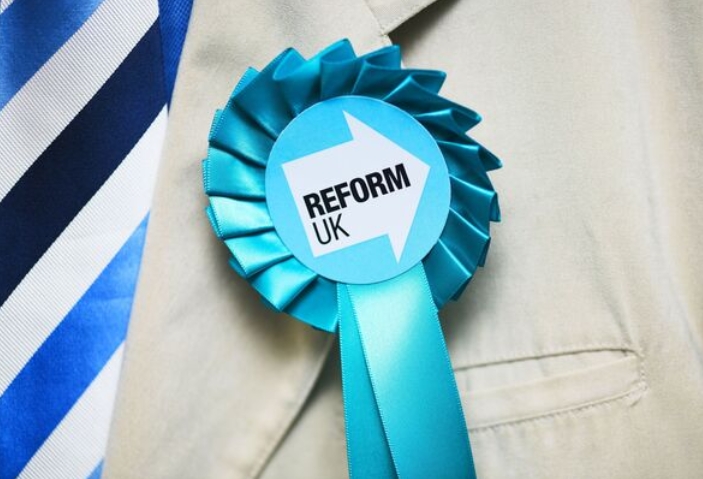
Two senior figures in Britain’s Reform UK party have stepped down from their positions after an undercover investigation alleged that the party breached electoral law by arranging for a U.S. company to finance political polling.
Reform UK said on Friday that its head of policy, James Orr, and senior adviser Dan Jukes, a close aide to party leader Nigel Farage, had stepped aside pending an internal investigation. The move came as the party opened its annual conference in Birmingham.
The allegations were reported by Channel 4 News, which said undercover footage showed Reform figures arranging for a U.S. company to pay more than £30,000 for three opinion polls commissioned by the party. British electoral rules restrict political donations from foreign sources, meaning such an arrangement could constitute a breach if the polling is determined to have been a political benefit or donation. (Reuters)
Reform UK has strongly denied wrongdoing, arguing that the investigation was a hoax carried out by climate activists. Orr said the polling was publicly available and was not commissioned or paid for by Reform UK itself. The party has also said no illegal money was received. (Reuters)
The controversy has prompted calls for an official investigation. Britain’s governing Labour Party has written to police asking them to examine whether criminal offences may have been committed, while rival parties have demanded greater scrutiny of Reform’s finances. (Reuters)
The allegations come at a difficult moment for Farage and Reform UK, which have faced increasing scrutiny over political donations and fundraising. Reuters reported this week that the party raised £5.3 million between April and June, including a £4 million donation from cryptocurrency entrepreneur Ben Delo.
The internal investigation is expected to determine whether Reform officials or the party itself violated electoral law. For now, Reform maintains that no wrongdoing has occurred, while the allegations threaten to overshadow the party’s annual conference and add to pressure on its leadership.
________________________________________________________________________________________________________________