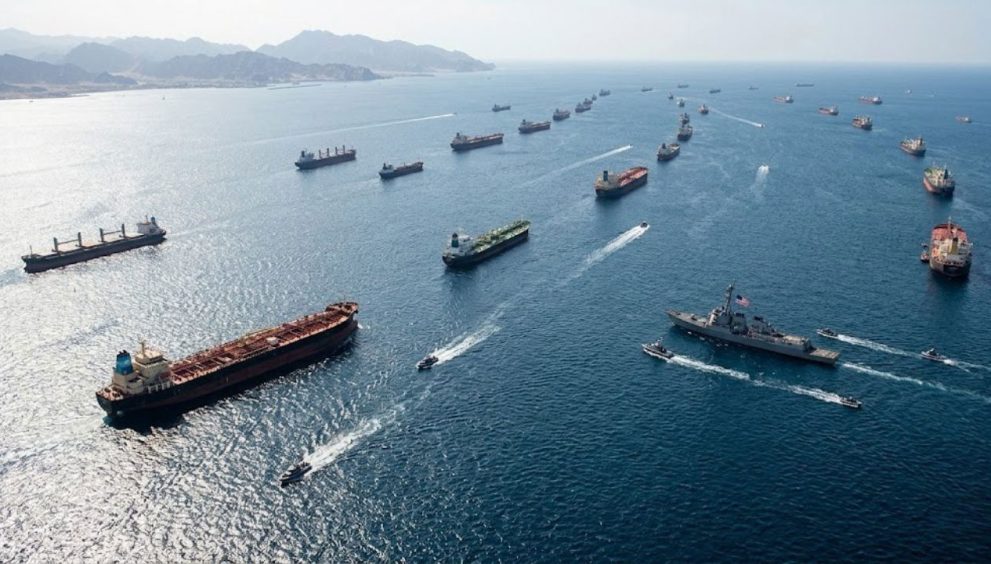
The United States has imposed fresh sanctions on Iran’s so-called shadow fleet, targeting individuals, networks and 17 vessels accused of transporting Iranian crude oil, petroleum products and petrochemicals.
The latest measures are part of Washington’s escalating economic campaign against Tehran and come as tensions between the two countries remain high.
Sanctions Target Iran’s Oil Shipping Network
The U.S. Treasury Department said the sanctions target vessels and companies involved in moving millions of barrels of Iranian oil and petroleum products to international markets, particularly in South and East Asia.
The action forms part of “Operation Economic Outcast,” a wider U.S. effort aimed at disrupting Iran’s oil revenues and the networks that help Tehran circumvent sanctions. Treasury said the vessels targeted in Thursday’s action operate through a complex network of international front companies and jurisdictions.
U.S. officials described the latest move as a major blow to Iran’s remaining illicit maritime infrastructure.
Washington Seeks to Cut Funding for Iran’s Military Activities
The Treasury Department said the campaign is intended to restrict revenue that Washington says supports Iran’s military operations, missile development, cyber activities and the Islamic Revolutionary Guard Corps (IRGC).
Treasury Secretary Scott Bessent said the United States would continue targeting companies and individuals that facilitate Iranian oil sales and sanctions evasion.
The department said the new designations were made under U.S. Executive Order 13902, which provides sanctions authorities targeting key sectors of the Iranian economy, including petroleum and petrochemicals.
Sanctions Come Amid Wider Maritime Tensions
The latest sanctions follow the U.S. reimposition of a blockade of Iranian ports in July after a memorandum of understanding between Washington and Tehran broke down.
A Treasury official said Iran now has roughly 20 million barrels of crude oil remaining on vessels outside the blockade, compared with global oil consumption of around 100 million barrels a day.
The sanctions also come as maritime risks increase around the Strait of Hormuz, a critical global oil shipping route. Recent attacks and threats involving commercial tankers have raised concerns about further disruption to energy supplies and international shipping.
Pressure on Tehran Continues
Washington’s latest action signals that economic pressure on Iran remains a central element of U.S. policy, even as diplomatic contacts between the two countries continue.
For Iran, further restrictions on oil exports and shipping networks could make it more difficult to generate foreign currency and maintain access to international markets. For global energy markets, however, continued disruption in the region could add to concerns over oil supplies, shipping costs and prices.
The United States has indicated that it will continue identifying and disrupting networks used to evade sanctions, potentially increasing pressure on companies and maritime operators doing business with Iran.
________________________________________________________________________________________________________________