United Arab Emirates-based real estate developer Eagle Hills plans to invest between $16 billion and $17 billion in Syria, marking a major potential foreign investment as the country seeks to rebuild after years of devastating conflict.
The company’s founder and chairman, Mohamed Alabbar, announced the investment plans on Wednesday, saying the funding would support two major development projects in Damascus, Syria’s capital, and the coastal city of Latakia. Alabbar also serves as chairman of Emaar Properties, the Dubai-based developer behind the Burj Khalifa.
Two Major Development Projects
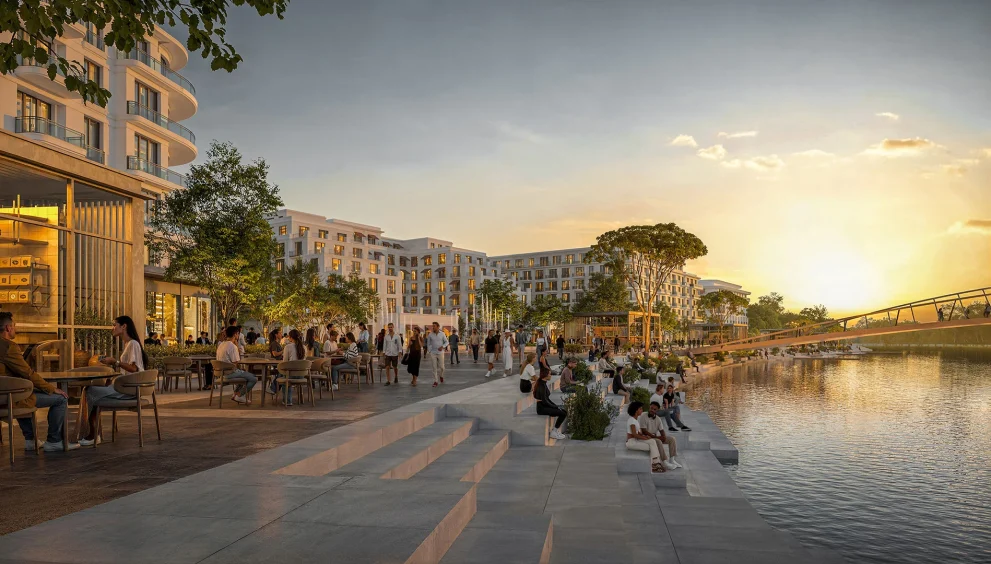
The planned developments are designed to combine residential housing, commercial facilities, hospitality and tourism infrastructure.
In Damascus, the project is expected to provide new housing and integrated urban facilities. In Latakia, the coastal development is intended to support tourism and waterfront activities, potentially attracting businesses, visitors and further investment.
The projects follow a framework agreement signed between Eagle Hills and Syria’s Ministry of Public Works and Housing on October 5, in the presence of President Ahmed al-Sharaa. The agreement marked a significant step in Syria’s efforts to attract private investment and advance reconstruction.
Syria Seeks Foreign Investment
Syria is working to restore its economy and rebuild infrastructure damaged during more than a decade of civil war. The government has been pursuing partnerships with regional and international businesses to stimulate economic activity, address housing shortages and create employment.
The World Bank has estimated that Syria’s reconstruction needs could reach approximately $216 billion, underlining the scale of the challenge facing the country.
The proposed Eagle Hills investment could contribute to construction, tourism, retail and related industries, while creating opportunities for Syrian workers, contractors and suppliers.
Challenges Remain
Despite growing investor interest, Syria continues to face significant obstacles, including damaged infrastructure, security concerns and the difficulty of restoring essential services.
The scale and timing of the proposed investment will depend on project implementation, financing arrangements and conditions on the ground. While the framework agreement provides a basis for moving forward, the developments will need to translate into sustained construction and economic activity to deliver their anticipated benefits.
If realised, the investment would represent a significant commitment to Syria’s urban development and recovery, while strengthening economic ties between Syria and the United Arab Emirates.
________________________________________________________________________________________________________________