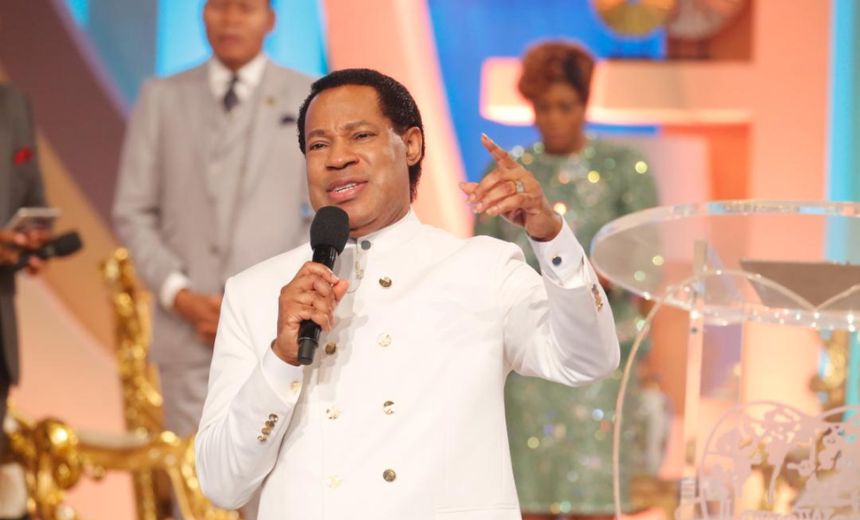
Global Preparations Intensify as Millions Prepare for Three Days of Healing, Prayer and the Word
With just eight days remaining, anticipation is building ahead of the October edition of the Healing Streams Live Healing Services with Pastor Chris, scheduled to take place from October 23 to 25, 2026. The three-day programme will be the final live healing session of the year, drawing attention from participants and ministry partners around the world.
Hosted by Reverend Dr Chris Oyakhilome, the Healing Streams Live Healing Services are dedicated to ministering the Word of God and praying for the sick, with participants joining through live broadcasts and digital platforms.
Praying, Partnering and Publicising
As the countdown continues, preparations are gathering momentum under the focus of praying, partnering and publicising.
Prayer initiatives are underway as individuals, churches and ministry groups prepare for the services, interceding for those who are sick and for people seeking hope and spiritual encouragement.
Partnership efforts are also contributing to the preparations, while publicity campaigns seek to reach more people through social media, personal invitations, church networks and other communication platforms.
Supporters are encouraged to share information about the upcoming services and invite friends, relatives and communities to participate in the three-day event.
The Final Healing Streams Edition of 2026
The October 23–25 programme carries special significance as the final live Healing Streams edition scheduled for 2026. The initiative has established an international platform through which people from different countries can participate in prayer, receive ministry from God’s Word and share testimonies of healing.
As the event approaches, the emphasis remains on making the services accessible to as many people as possible, particularly those who are sick or seeking spiritual support.
Eight Days to Go
With the dates drawing closer, preparations continue across ministry networks as participants make plans to connect with the live services and help spread the invitation.
The countdown is on for three days of ministry, from Friday, October 23, to Sunday, October 25, 2026.
Eight days to go. The world is preparing for Healing Streams Live Healing Services with Pastor Chris — the final edition of 2026.
________________________________________________________________________________________________________________