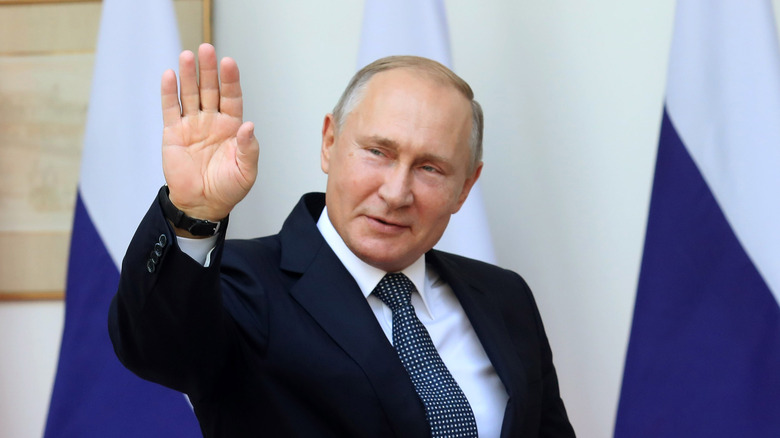
Russian President Vladimir Putin is expected to attend the Asia-Pacific Economic Cooperation (APEC) leaders’ summit in Shenzhen, China, next month, as Moscow and Beijing seek to strengthen their strategic relationship amid shifting global political and economic dynamics.
The summit is scheduled for November 18–19, 2026, bringing together leaders from APEC’s 21 member economies to discuss regional trade, economic cooperation and shared challenges. China’s hosting of the gathering provides an opportunity for high-level diplomatic engagement between major world powers.
Putin and Xi Expected to Discuss Bilateral Relations
Putin has expressed optimism about the potential for discussions with Chinese President Xi Jinping during the summit, saying the meeting could produce positive results for relations between the two countries.
Russia and China have maintained close political and economic ties, with cooperation spanning trade, energy, infrastructure and international diplomacy. Their relationship has become particularly significant as Russia faces continued Western sanctions over its war in Ukraine.
China has emphasised the importance of high-level engagement in maintaining stable and long-term relations with Russia. However, the precise agenda and final arrangements for any bilateral meeting remain subject to official confirmation.
Possible Meeting with Donald Trump
The Shenzhen summit could also create an opportunity for discussions involving US President Donald Trump, Putin and Xi.
Kremlin foreign policy aide Yuri Ushakov previously said a trilateral meeting among the three leaders had been discussed. However, Russian officials indicated on October 6 that the proposal remained at an early stage, with no practical arrangements finalised.
Any such meeting could attract significant international attention given ongoing tensions over the war in Ukraine, US-China trade relations and wider questions of global security. As of the latest available reports, a trilateral meeting should be regarded as a possibility rather than a confirmed event.
Trade and Regional Economic Cooperation on the Agenda
Beyond high-level diplomacy, APEC provides a platform for addressing economic priorities across the Asia-Pacific region, including trade imbalances, supply-chain resilience, digital trade and sustainable growth.
The gathering comes amid continuing global economic uncertainty and disagreements over trade restrictions and market access. Discussions among participating economies could influence regional cooperation and efforts to maintain stable international commerce.
Putin’s expected attendance will therefore be closely watched for both its diplomatic significance and its potential implications for Russia’s economic engagement with Asian markets.
As preparations continue for the November summit, attention will focus on the meetings that take place in Shenzhen and whether they produce concrete developments in relations among Russia, China and the United States.
________________________________________________________________________________________________________________