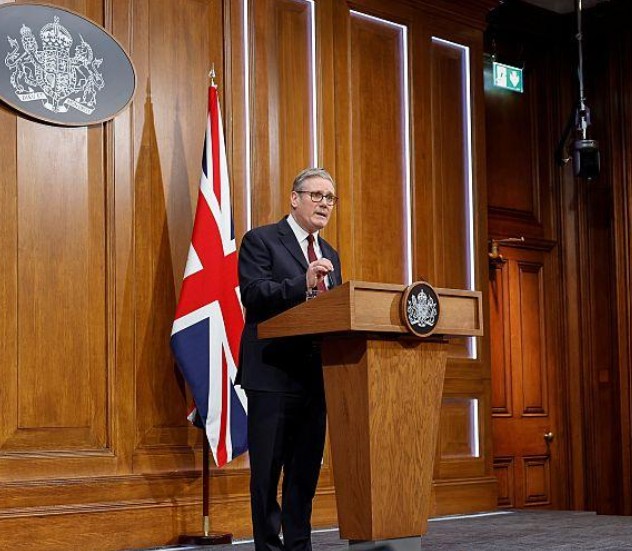
Prime Minister Keir Starmer has announced plans to introduce a nationwide ban on social media access for children under the age of 16 as part of a broader effort to strengthen online safety protections in the United Kingdom.
The proposed legislation, described by government insiders as an “Australia-plus” model, is expected to be introduced to Parliament later this year, with full implementation targeted for spring 2027.
Under the framework, technology companies would be legally required to prevent users under 16 from accessing major social media platforms, with significant financial penalties for firms that fail to comply.
Platforms expected to be affected include:
- TikTok
- Snapchat
- X
- Threads
Video sharing and livestreaming services such as YouTube and Twitch could also face stricter restrictions for younger users.
The government says the measures are designed to:
- Protect children from harmful content.
- Reduce exposure to addictive algorithms.
- Limit excessive screen time.
- Improve sleep and mental wellbeing.
- Strengthen safeguards against online exploitation.
Messaging services that provide core communication functions, including WhatsApp and Signal, are expected to remain exempt under the current proposals.
The plans would also introduce additional restrictions on certain gaming and artificial intelligence features. Under 16s could be prevented from using unmoderated chat functions in multiplayer games, while access to AI-powered romantic companion chatbots would be restricted to adults aged 18 and over.
Critics, however, have raised concerns that enforcing the ban could require widespread age verification systems, potentially reducing online anonymity and increasing data collection by technology companies.
Supporters argue that stronger safeguards are necessary to address the growing impact of social media on children’s wellbeing, while opponents warn that the measures could set a precedent for broader digital regulation.
The proposals are expected to generate significant debate in Parliament over the balance between child safety, privacy, freedom of expression, and digital rights.