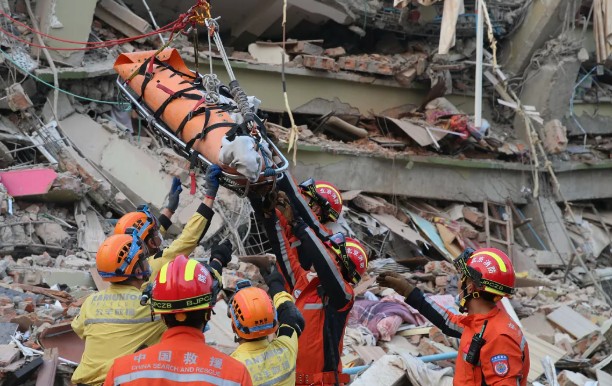
Weather conditions further complicate rescue operations amid devastating earthquake aftermath.
April 2025 — Myanmar’s ongoing recovery efforts from last week’s devastating 7.7-magnitude earthquake have been significantly hampered by heavy rainfall, as the country grapples with rising casualties and widespread destruction. As of today, the death toll has risen to over 3,400, with more than 4,600 people injured and over 200 still missing, according to local authorities.
The powerful earthquake struck the central and northern regions of Myanmar, causing massive damage to infrastructure and buildings. The hardest-hit areas include Mandalay and the Sa-gaing region, both of which are home to millions of people. These regions, which were already struggling with poor infrastructure and economic hardship, are now in a state of crisis.
Heavy Rainfall Complicates Rescue Operations
Compounding the difficulties, heavy rainfall has made it even harder for rescue teams to reach affected areas. Flooded roads, collapsed bridges, and damaged power lines are severely limiting access to the hardest-hit regions, slowing down search and rescue efforts. The stormy weather is not only hindering the evacuation of injured survivors but also making it difficult to bring in much-needed aid and supplies.
Rescue teams, including international relief organizations, have reported challenges in their attempts to navigate the flooded roads to deliver medical supplies, food, and clean water. “The weather is making an already challenging situation even worse,” said one official from the Myanmar Red Cross. “We are doing our best, but we need more support.”
Regional and International Aid Efforts
In response to the disaster, neighboring countries such as China, India, and others have sent emergency aid and rescue teams to assist in the relief efforts. These international teams are working alongside Myanmar’s local authorities to search for survivors, provide medical assistance, and distribute emergency supplies. However, the scale of the disaster is overwhelming, with nearly 28 million people affected across the quake-hit regions.
Despite the challenges, aid is slowly reaching those in need. International organizations such as the United Nations and the World Health Organization have also pledged support, sending teams to provide medical care and humanitarian relief. But as the rainy season continues, the risk of further natural disasters, such as landslides and flooding, looms over the region.
Ongoing Crisis and Recovery Efforts
The damage to critical infrastructure roads, bridges, and power systems has made communication and transportation difficult, further complicating recovery efforts. Emergency services have been stretched thin as they try to reach remote villages, where many people remain trapped under the rubble.
In addition to the physical damage, the earthquake has left many people without access to basic necessities such as food, clean water, and shelter. The international community has called for an urgent increase in aid to support the recovery process, but the combination of poor weather and widespread destruction presents a formidable challenge.
The Road Ahead
As Myanmar continues to deal with the aftermath of this devastating earthquake, the road to recovery will be long and difficult. The combination of heavy rainfall, damaged infrastructure, and widespread displacement makes it clear that the situation will require sustained international support to overcome.
The government of Myanmar, along with global partners, is expected to work together to rebuild the affected regions and help the millions of people who are now struggling to survive in the wake of this tragedy.