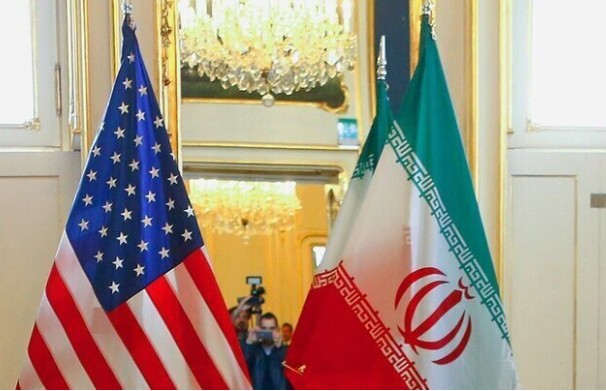
In a pivotal development, the United States and Iran are set to engage in high-level nuclear talks, signaling a significant shift in the diplomatic landscape between the two nations. U.S. officials are scheduled to meet with Iranian representatives for “indirect” discussions in Oman this Saturday, a move that underscores both countries’ efforts to address ongoing concerns regarding Iran’s nuclear program.
President Trump confirmed the talks, asserting that direct communication between U.S. officials and their Iranian counterparts could lead to an opportunity for both sides to address their differences. However, Iranian Foreign Minister Abbas Araghchi clarified that these will be “indirect” talks, suggesting that negotiators may still be working through intermediaries as they seek to de-escalate the nuclear standoff.
These negotiations come at a time when tensions between the two countries have reached a boiling point. Over the past few years, there has been an uptick in military confrontations, cyberattacks, and sanctions. Iran’s nuclear activities have been a particularly contentious issue, with Tehran asserting its right to pursue peaceful nuclear energy while facing suspicions from the U.S. and other nations that its program may be aimed at developing nuclear weapons.
The United States has expressed concerns about Iran’s continued uranium enrichment and the transparency of its nuclear facilities. The ongoing diplomatic talks are seen as an attempt to bring both nations back to the negotiating table and find common ground to avoid further escalation.
The Role of Oman in Facilitating Dialogue
Oman has long served as a neutral mediator in Middle Eastern conflicts, and its role in facilitating these talks is seen as crucial in fostering a conducive environment for dialogue. Known for its ability to engage with both the U.S. and Iran, Oman has previously played a key role in brokering back-channel discussions and serving as an intermediary in sensitive matters.
The upcoming discussions in Oman could set the stage for further engagement between the U.S. and Iran, potentially leading to more formal negotiations aimed at reestablishing some form of nuclear deal or setting new terms for cooperation and security.
What’s at Stake
The stakes are high, not just for the U.S. and Iran, but for the broader international community. A failure to reach a resolution could further destabilize the Middle East and escalate the risk of military confrontation. On the other hand, successful talks could pave the way for a new agreement that addresses Iran’s nuclear program while easing tensions in the region.
For President Trump and Iranian leaders alike, these discussions represent an opportunity to reset relations. The outcome of these indirect talks in Oman could have far-reaching implications on global security, energy markets, and the geopolitics of the Middle East.
Conclusion
The U.S.-Iran nuclear talks in Oman signal a potential turning point in the long-standing diplomatic struggle over Iran’s nuclear program. While both sides remain cautious about the outcome, the resumption of high-level discussions marks an important step forward in the search for a peaceful resolution. As the talks unfold, the world will be closely watching for any signs of progress or setbacks that may shape the future of U.S.-Iran relations and Middle Eastern stability.