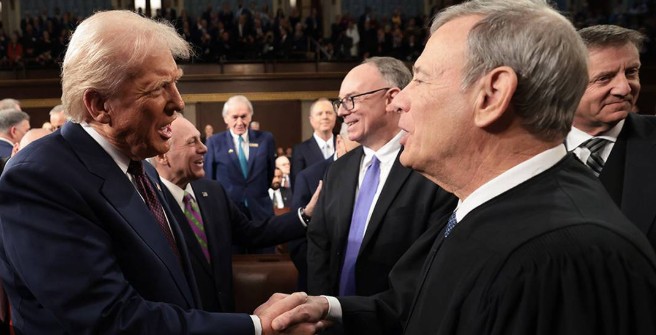
In a significant immigration victory, the U.S. Supreme Court has granted President Donald Trump’s request to use a 1798 wartime immigration law for the immediate deportation of Venezuelan nationals, including alleged members of the notorious Tren de Aragua gang. The decision lifts a previous ruling that had blocked the administration’s efforts to use this law to expedite the removal of individuals deemed a threat to national security.
The ruling marks a key moment in the ongoing debate over immigration policy and border security, enabling the administration to proceed with deportation flights, a cornerstone of Trump’s broader immigration strategy. These flights are expected to play a pivotal role in the administration’s efforts to manage immigration levels and address criminal activity associated with some of the foreign nationals living in the U.S.
A Historical Legal Precedent
The 1798 law, originally passed during wartime, grants the U.S. government extraordinary powers to deal with individuals from foreign nations who are considered to pose a threat to national security. By invoking this law, the Trump administration has argued that it needs to act swiftly to prevent potential criminal elements from operating within U.S. borders, particularly members of transnational gangs like Tren de Aragua. This gang, which has been linked to organized crime and violence, has been a focal point of the deportation efforts.
House Speaker Mike Johnson’s Comments
U.S. House Speaker Mike Johnson weighed in on the Supreme Court’s decision, expressing strong support for the ruling and its implications for border security. Johnson called the decision a critical step forward in the administration’s ongoing efforts to secure U.S. borders, saying that it would send a message that individuals with criminal ties or posing national security risks would not be allowed to remain in the country.
This victory is seen as an important milestone for Trump and his supporters, who have consistently prioritized stricter immigration enforcement and tougher measures against illegal immigration and foreign criminal activity. For those critical of the administration’s policies, however, this ruling raises concerns about the broader use of historical laws to justify modern-day immigration practices.
Implications for U.S. Immigration Policy
The Supreme Court’s decision will have a lasting impact on the U.S.’s immigration strategy, particularly regarding the deportation of foreign nationals linked to criminal organizations. While the ruling allows the Trump administration to proceed with deportation flights, it also sets the stage for potential future legal battles over the application of wartime laws in contemporary immigration cases.
The decision also underscores the ongoing division in U.S. politics on how to handle immigration, with Republicans generally advocating for stricter enforcement, while Democrats continue to push for more comprehensive reform aimed at providing pathways to citizenship for undocumented immigrants.
Looking Ahead
As the U.S. proceeds with the deportation flights, it remains to be seen how this decision will shape the future of immigration policy, both in terms of legal challenges and its broader social and political implications. This victory is likely to energize Trump’s base as they continue to push for a tougher stance on immigration, but it will also contribute to the heated debate on the best approach to border security and national immigration law.