The White House has confirmed a sweeping escalation in its trade dispute with China, raising total tariffs on Chinese imports to a staggering 145%. The move includes the implementation of a new 125% tariff on a wide array of Chinese goods from consumer electronics and solar panels to automotive parts and machinery.
This latest tariff hike comes amid growing concerns in Washington over what officials describe as Beijing’s persistent use of unfair trade practices, including intellectual property theft, state subsidies to Chinese firms, and barriers to foreign companies operating in China.
Why the U.S. Raised Tariffs
In a briefing late Thursday, senior White House trade officials said the decision was part of a broader strategy to reassert American economic competitiveness and reduce dependency on Chinese supply chains.
“This administration is taking bold action to level the playing field for American workers and businesses,” said U.S. Trade Representative Katherine Liu. “For too long, China has exploited gaps in the global trade system to its advantage.”
Officials also pointed to ongoing tensions over technology transfers, cybersecurity concerns, and allegations of forced labor in Chinese manufacturing regions. The tariffs, they claim, are not only economic but strategic.
China’s Swift and Strong Rebuttal
Beijing wasted no time in responding. In an unusually forceful statement, the Chinese Ministry of Commerce said the tariffs constitute a “direct violation of World Trade Organization (WTO) rules” and warned of retaliatory action.
“China strongly opposes these unilateral and protectionist measures,” the statement read. “This is an irresponsible act that threatens the stability of global trade and economic recovery.”
Chinese state media went further, accusing the U.S. of “economic bullying” and warning that such aggression could permanently damage diplomatic ties between the world’s two largest economies.
Impacts on Global Markets and Supply Chains
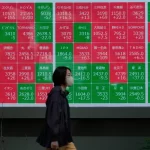
Financial markets reacted with volatility on Friday morning. The Dow Jones Industrial Average opened down nearly 300 points, while tech-heavy indexes and Asian markets also saw sharp losses amid fears of a broader trade war.
Economists warn that if China responds with counter-tariffs as it has in the past the result could be a cascading impact on global supply chains, particularly in industries like electronics, automotive, and green energy.
“This is not just about tariffs anymore,” said Mark Zeller, senior economist at the Global Trade Forum. “This signals a breakdown in cooperation that could redefine global trade patterns for decades.”
U.S. importers are already grappling with inflationary pressures, and many warn that the increased tariffs will eventually be passed on to consumers in the form of higher prices.
What Happens Next?
All eyes are now on Beijing’s next move. Experts say possible countermeasures could include:
-
New tariffs on U.S. agricultural products or tech hardware
-
Restrictions on rare earth mineral exports vital to U.S. manufacturing
-
Increased scrutiny of American firms operating in China
Meanwhile, U.S. lawmakers from both major parties are largely backing the move, citing national security and the need to restore American manufacturing. However, some business groups have voiced concern over the lack of a clear path toward negotiation or resolution.
“It’s not just about being tough we need a strategy that includes diplomacy,” said Janet Behrman, president of the National Association of Manufacturers. “We’re asking for clarity.”
As the trade standoff enters a new phase, the global economic community is bracing for what could be one of the most consequential economic showdowns in recent history.