Australia is grappling with a worsening housing crisis, as rising property prices, stagnant wages, and limited government intervention leave many struggling to afford a place to live.
According to a new national housing report released this month, average home prices in Australia’s capital cities have surged past 900,000 Australian dollars, marking a 39% increase over the past five years. At the same time, wage growth has failed to keep pace, leaving many households financially stretched and delaying homeownership for younger Australians.
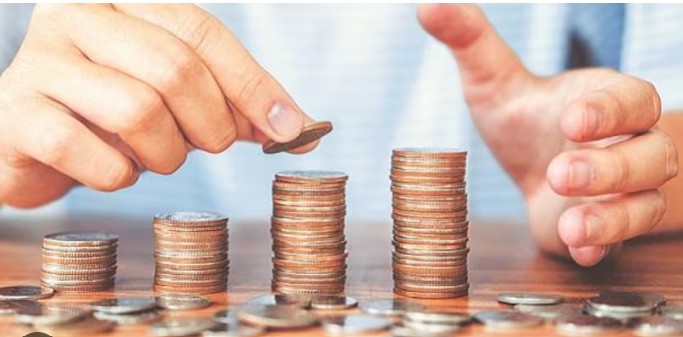
The report found that the typical prospective buyer now needs around 10 years to save for a 20% home deposit a timeframe that has nearly doubled since the early 2000s.
Rental prices have also spiked across the country, compounding pressures on low- and middle-income families. Mortgage stress is on the rise, particularly in outer suburban and regional areas where job opportunities are fewer and household incomes are lower.
Prime Minister Anthony Albanese blamed the previous Coalition government for the escalating crisis, accusing it of neglecting public housing investment during its time in office.
“We are paying the price for a decade of inaction,” Albanese said at a housing roundtable in Canberra. “Our government is focused on solutions, but we are playing catch-up.”
Currently, social housing accounts for just 4% of Australia’s total housing stock far below international benchmarks set by countries such as the UK and the Netherlands. Experts warn that unless this figure rises, vulnerable Australians will continue to be priced out of the housing market.
Housing advocates are calling for urgent reforms, including increased funding for social housing, rent caps in overheated markets, and incentives for first-time buyers. Some state governments have launched modest construction plans, but analysts say a coordinated national strategy is essential.