

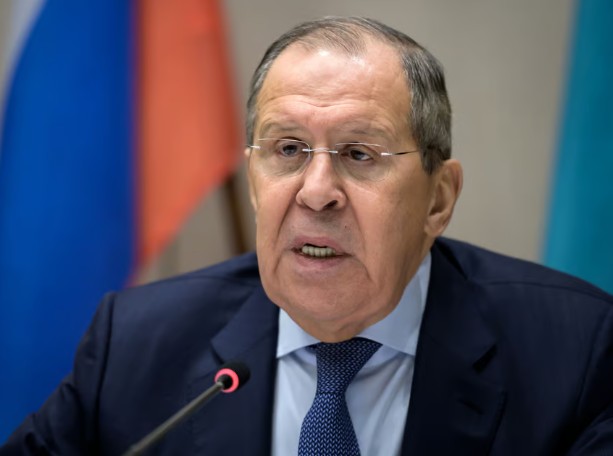
Russian Foreign Minister Sergey Lavrov sharply criticized NATO and other Western institutions during a keynote appearance at the Antalya Diplomacy Forum on Monday, arguing that their actions have weakened international stability and hindered the development of a truly multipolar world order.
Speaking to a packed auditorium of diplomats, academics, and international media, Lavrov claimed that the U.S.-led alliance has strayed far from its original mission, becoming an “expansionist tool driven by ideological conformity.”
“NATO’s expansionist policies and ideological goals have long undermined its declared purpose of collective security,” Lavrov said. “Instead of promoting peace, it has deepened divisions and inflamed regional tensions.”
Lavrov singled out NATO’s continued enlargement and involvement in Eastern Europe as primary sources of friction, particularly in relation to Ukraine. He also criticized the Organization for Security and Co-operation in Europe (OSCE), calling it “ineffective and biased.”
Positioning Russia as a champion of a more balanced global order, Lavrov reiterated Moscow’s call for what he described as an inclusive and multipolar international system one that respects national sovereignty and regional diversity, free from Western dominance.
The Foreign Minister also addressed Russia’s increasingly strained relations with the West, accusing Western powers of double standards, economic coercion, and efforts to isolate Moscow diplomatically.
“The old frameworks have failed,” Lavrov added. “It is time for a new architecture of global cooperation that is not dictated by any single bloc or ideology.”
The Antalya Diplomacy Forum, hosted by Turkey, has become a key platform for international dialogue, especially amid ongoing tensions between global powers. Lavrov’s remarks come as Russia faces mounting pressure over its military operations in Ukraine and its growing alignment with China.
While Western officials largely dismissed Lavrov’s comments, analysts note they reflect a broader shift in Russia’s foreign policy strategy — one increasingly focused on building alternative alliances in Asia, Africa, and Latin America.

