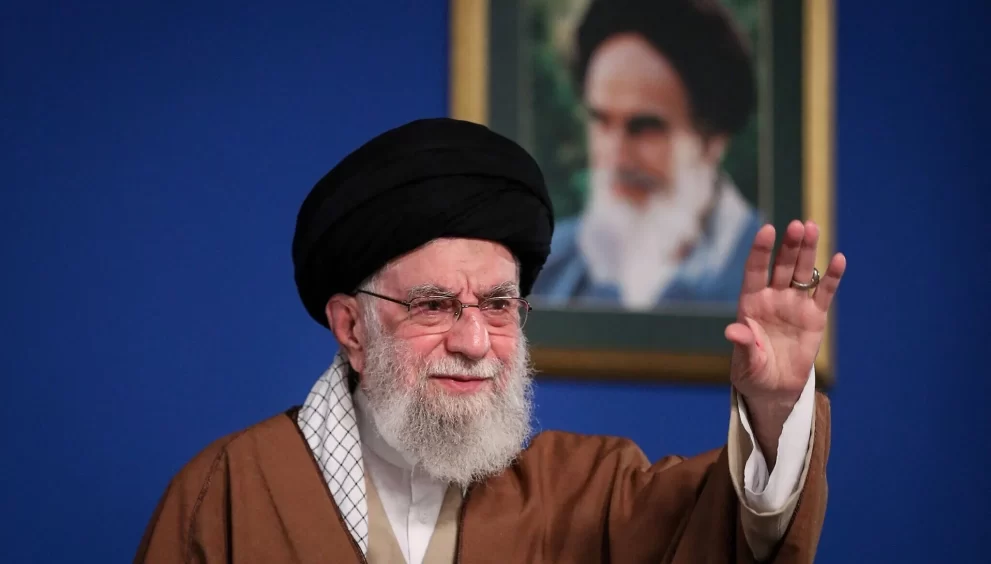
On Tuesday, Iran’s Supreme Leader Ayatollah Ali Khamenei said that he holds a balanced view on the ongoing nuclear discussions with the United States, expressing neither strong optimism nor deep concern. His comments appeared aimed at managing rising public hopes for a breakthrough.
Some Iranian officials and insiders have warned that the stakes are high—failure to secure an agreement with former U.S. President Donald Trump could have serious consequences for Iran, even if the government presents the U.S. as responsible for any breakdown in negotiations.
Following recent discussions in Oman that were described positively by both parties, there’s been a surge in public anticipation of economic relief. Iranians, speaking over the phone and posting on social media, expressed hope that progress may finally be in sight. More talks are scheduled to take place on April 19 in Oman.
Iran’s currency, the rial, has seen a notable recovery—rising about 20% against the U.S. dollar in just a few days—fueled by expectations that sanctions might soon be eased.
In a meeting with lawmakers, Khamenei commented, “We are not overly hopeful nor overly doubtful. It’s a process that has begun with a solid foundation.” He emphasized the need for a cautious approach moving forward, adding that negotiations must be guided by clearly defined boundaries for both sides. “These talks might lead somewhere, or they might not,” he said. “Do not tie the country’s destiny to these negotiations.”
Since the 1979 revolution that ended U.S. influence in Iran, hostility toward Washington has remained a central theme among Iran’s leadership. Yet, under pressure from severe economic challenges—including inflation, joblessness, and a lack of foreign investment—Khamenei has shown support for engaging in dialogue.
While the U.S. and its allies claim Iran is working toward developing nuclear weapons, Iranian officials continue to insist that their nuclear program is solely intended for peaceful, civilian use.