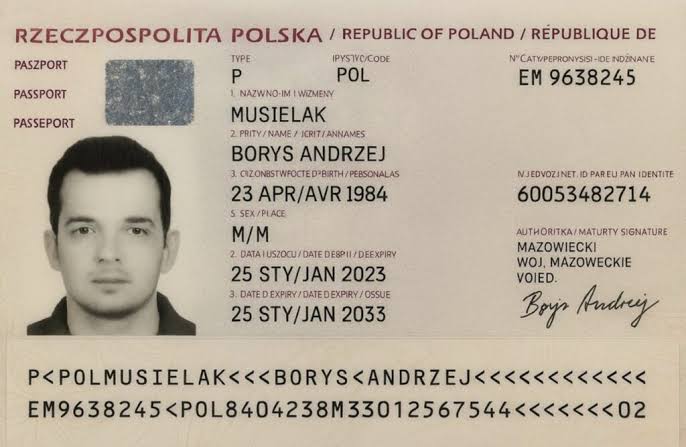
A Polish engineer and investor recently caused a stir in the security world by using ChatGPT to create a fake passport. Borys Musielak, a founding partner at SMOK Ventures, claimed the forged ID could bypass many automated Know-Your-Customer (KYC) checks.
He pointed out that traditional verification methods relying on photos or selfies—whether static images or videos—are becoming ineffective, as generative AI can now replicate them with ease.
Musielak’s experiment suggests that AI-generated documents could deceive systems that depend only on visual data, and such forgeries could be created faster and at a larger scale than ever before.
However, stronger verification methods are available. For instance, using chips and NFC technology can significantly improve identity checks. Some companies advocate for these methods, especially in digital wallet systems that require high levels of security assurance.
Musielak emphasized that the future lies in digitally verified identities, such as eID wallets, which are being promoted in parts of the world as a more secure standard.
Following his demonstration, others began generating fake identity documents using ChatGPT, including various national ID cards. This trend quickly spread online.
In response, ChatGPT began rejecting prompts related to document forgery and started labelling generated images with disclaimers such as “sample,” “not for official use,” or “demo” to help prevent misuse.