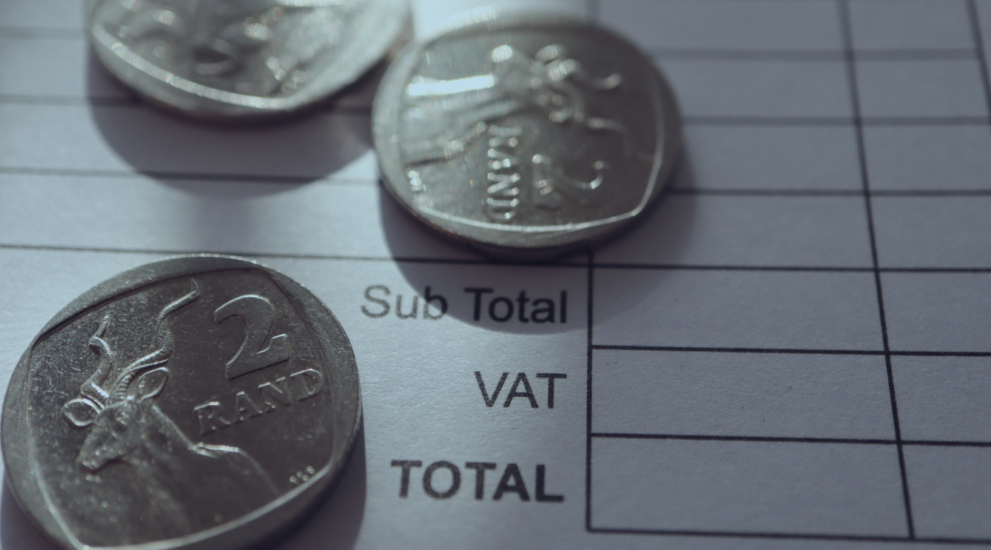
South Africa has decided not to move forward with its planned increase in value-added tax (VAT), following strong political opposition that put strain on the country’s coalition government.
The proposed tax hike, which aimed to raise VAT by one percentage point over two years to improve government revenue, faced criticism amid ongoing economic challenges and growing frustration over rising living expenses. While the leading African National Congress (ANC) supported the plan, citing a lack of other viable income sources, its coalition partner, the Democratic Alliance (DA), opposed the move, arguing it would worsen the financial burden on ordinary citizens.
Following the announcement by the finance ministry that the VAT rate would remain at 15%, DA leadership expressed relief, though tensions within the coalition have deepened. DA senior member Helen Zille remarked that the disagreement had exposed underlying trust issues, casting doubt on the coalition’s long-term stability.
ANC Secretary-General Fikile Mbalula acknowledged that the dispute highlighted the need for better consultation processes. “With more experience, we might have handled things differently—through broader negotiations and stronger collaboration between political parties, the Treasury, and parliamentary structures,” he said at a press briefing.
The finance ministry noted that Finance Minister Enoch Godongwana will present revised versions of the national budget bills soon. However, the uncertainty around fiscal policy has already raised concerns among economists. Jee-A van der Linde of Oxford Economics Africa pointed out that inconsistent messaging on taxation could deter foreign investors.
Without the VAT increase, the government expects a revenue shortfall of approximately 75 billion rand (about $4 billion) over the medium term. The ministry indicated that adjustments to government spending will be proposed to maintain fiscal stability.
The initial proposal, made in February, suggested a 2-percentage point increase in VAT to support health, transport, and education programs. The DA contested the plan in court and voted against the budget framework in parliament. Finance Minister Godongwana had warned that not increasing VAT could significantly damage public finances.
While some political groups suggested deeper spending cuts as an alternative, the finance ministry stated that these measures wouldn’t generate sufficient revenue quickly enough to serve as a replacement for the VAT increase.