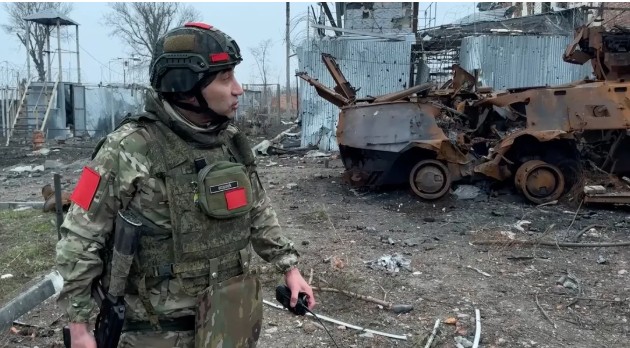
In a major development in the ongoing Russia-Ukraine conflict, Russian President Vladimir Putin has declared the successful recapture of the Kursk region a border area that has seen repeated clashes over the past several months. The announcement was made following a statement by Kursk Governor Alexander Khinshtein, who confirmed that Russian forces had regained full control over the territory.
“This is a day of pride and relief for every resident of Kursk,” Khinshtein said in a televised address. “Our people never doubted that this moment would come. We are grateful to our forces for their courage and resilience.”
President Putin reportedly placed direct calls to senior military commanders in the region to congratulate them on what he described as a “strategic and symbolic” victory. According to Kremlin sources, the President also issued a new directive focused on fortifying security infrastructure across the reclaimed territory and initiating reconstruction programs.
Ukraine Disputes Russian Claims
Despite Russia’s declarations, Ukrainian officials have disputed the claim of a full Russian takeover. Kyiv maintains that its forces are still engaged in active operations in the region and that several districts in and around Kursk remain contested.
“This is not the end of the fight,” a Ukrainian military spokesperson stated. “Russian propaganda is ahead of reality on the ground.”
North Korean Involvement Raises International Concerns
Complicating the situation further are confirmed reports that North Korean troops have been deployed to support Russian forces in the region. According to Western intelligence and multiple news outlets, between 10,000 and 12,000 North Korean soldiers are believed to have participated in the battle for Kursk, with reports indicating heavy casualties among their ranks.
This marks the first confirmed instance of North Korean boots on the ground in the conflict and has sparked alarm across global diplomatic channels. Analysts warn that the military collaboration between Moscow and Pyongyang could mark a significant geopolitical shift in the Eurasian security landscape.
A Pivotal Moment in a Prolonged Conflict
The fight for the Kursk region underscores the ongoing volatility of the war, with both sides continuing to pursue territorial and strategic advantages. While the Kremlin is celebrating what it sees as a turning point, analysts note that the situation remains highly fluid.
As international observers continue to monitor developments, questions remain about how long the latest phase of the war will last and what the ultimate cost will be for the people on both sides of the conflict.