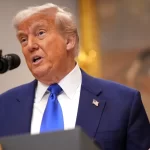
During a White House meeting, Donald Trump presented what he described as evidence of a “white genocide” occurring in South Africa. However, some of the images he used were from the Democratic Republic of Congo rather than South Africa. One such image depicted humanitarian workers handling body bags in Goma, a city in Congo, following armed conflict.
At another point, Trump showed a video that he claimed depicted graves of over a thousand white farmers marked with white crosses. In reality, the footage showed a temporary memorial site near a highway between Newcastle and Normandein in South Africa, established after the murder of two Afrikaner farmers. The organizer of the memorial confirmed it was not a burial site.
The video contained several inaccuracies and was used to support Trump’s offer of refuge to white farmers who he claimed were being persecuted. The South African government rejects these allegations, describing them as false. The concept of a targeted genocide against white farmers is a conspiracy theory that has been circulated in far-right groups.
The footage also included Julius Malema, a prominent opposition politician known for his radical rhetoric. Malema, leader of the Economic Freedom Fighters (EFF), was shown wearing the party’s red beret and chanting slogans such as “cut the throat of whiteness” and an anti-apartheid song with violent language directed at farmers. Trump incorrectly suggested Malema was a government official and implied his statements reflected official policy.
Malema leads an opposition party advocating for land reform and the nationalization of key economic sectors. His party received approximately 9.5% of the vote in the most recent election. During the meeting, President Cyril Ramaphosa and his delegation distanced themselves from Malema’s statements. South Africa’s Agriculture Minister emphasized that he joined Ramaphosa’s coalition to prevent such figures from gaining power.
Ramaphosa’s visit to Washington was intended to improve relations with the United States following months of criticism from Trump regarding South Africa’s land policies, foreign relations, and treatment of the white minority, which the South African government denies.