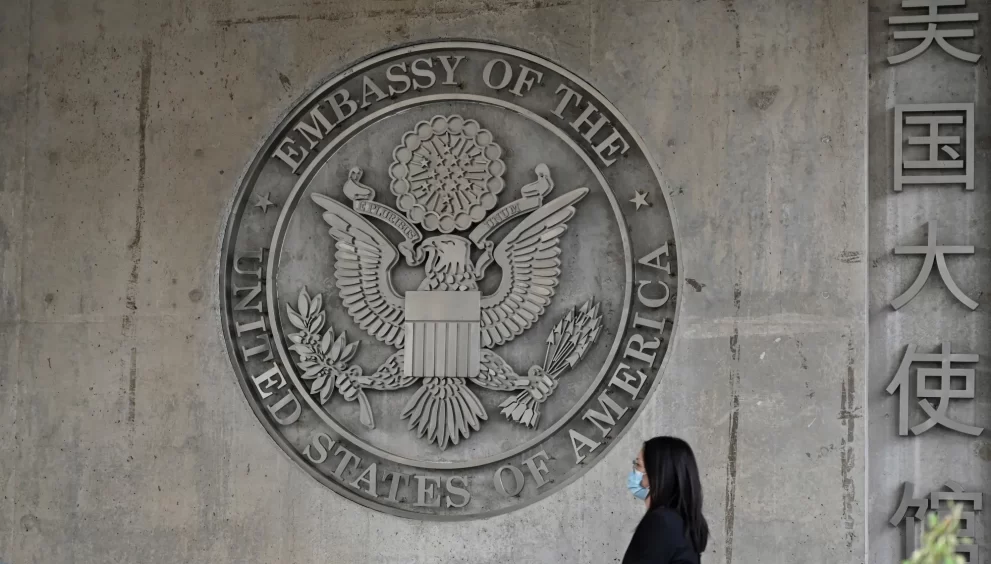
Recent changes to U.S. visa policies have introduced new challenges for Chinese nationals seeking to study in the United States. As part of broader national security measures, the U.S. government has reiterated its intention to prevent the misuse of academic institutions and safeguard intellectual property. This includes the possibility of revoking visas and limiting approvals, though specific details have not been publicly disclosed.
These developments have raised concerns among prospective and current Chinese students, who make up roughly a quarter of all international students in the U.S. The policy changes could affect a significant portion of the estimated 277,000 Chinese students currently enrolled in American universities. Many of these students are concentrated in STEM fields, where they represent approximately 16% of all graduate students nationwide.
The impact may be particularly pronounced as U.S. embassies and consulates pause new visa appointments for student and exchange visitors. Extended delays could lead some students to defer their studies or explore educational opportunities in other countries, such as those in Europe or Asia.
The tightened restrictions come amid ongoing geopolitical tensions between the U.S. and China, which have increasingly extended beyond trade to affect academic and cultural exchanges. Critics have raised concerns that the new policies may discourage international collaboration and reduce the appeal of U.S. institutions for foreign talent.
According to recent data, international students contributed over $50 billion to the U.S. economy in 2023, with China and India accounting for a substantial portion of that figure. Universities and industries that rely on international expertise—particularly in science and engineering—may feel the longer-term effects if these trends continue.
While the full scope of the new visa measures remains uncertain, students and institutions alike are watching closely for further guidance.