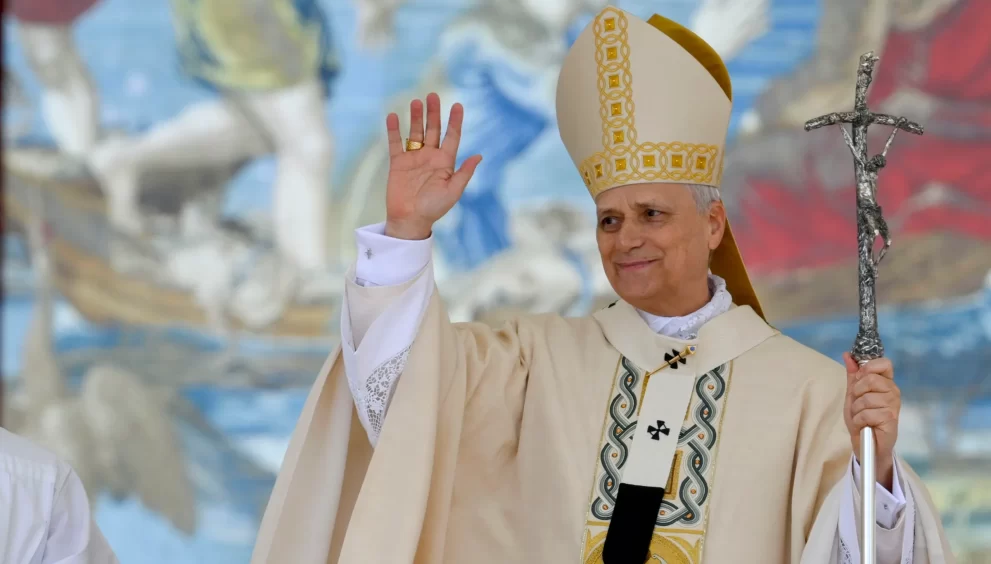
The newly appointed pope is taking a stand against the unchecked influence of artificial intelligence. Throughout history, popes have faced the major challenges of their times—whether combating heresies, responding to plagues, or defending against invasions. Now, in 2025, this pope has made addressing the risks posed by uncontrolled AI a central focus of his leadership.
In his first formal speech to church leaders, he emphasized the threats AI poses to human dignity, fairness, and employment. Shortly afterward, while speaking to the press, he acknowledged the great promise of technology but stressed the need for responsible use to benefit everyone.
Much like a 19th-century pope who championed workers’ rights during the Industrial Revolution, this pope is presenting himself as a protector of society amid rapid technological change. The choice of his papal name was intentional, signaling continuity with past efforts to balance progress with social care.
Advisors within the church highlight that this stance is not unusual given the church’s long history of engaging with contemporary issues. Their goal is to prevent AI developments that could harm human rights and disproportionately affect lower-skilled workers.
Concerns about creating powerful AI have been echoed by ethicists, philosophers, and industry leaders alike. Some tech innovators have warned against reckless AI advancement, comparing it to “summoning a demon” or creating a “digital deity.”
Efforts to shape ethical AI policies involving the church began under the previous pope, who brought together global leaders and major tech firms to commit to responsible AI development. Recent official statements from the church have cautioned against humanity becoming enslaved by its own creations.
As the first pope from the United States—and with a background in mathematics—he is seen as uniquely equipped to carry this mission forward.
Meanwhile, different governments are taking varying approaches: some easing regulations to boost AI growth, others aiming to balance competitiveness with oversight. At recent international meetings, leaders appeared more focused on deals than on setting firm boundaries for AI.
Within this complex landscape, the church positions itself as a moral authority with deep expertise in human values, encouraging especially Catholic nations to develop AI that prioritizes social justice and human well-being.
In early discussions with political leaders, the pope has pledged ongoing collaboration to promote ethical and human-centered AI advancement. This approach aligns with the church’s broader mission of upholding core principles while adapting to modern challenges.
The church’s extensive global network could also play a key role in promoting fair access to AI technologies, especially for less wealthy nations, and in encouraging worldwide standards for AI regulation—efforts seen as vital as power in this field becomes more concentrated.
The pope recognizes the potential for faith institutions to guide society through rapid change, ensuring technology supports compassion and respect for human dignity.
However, the pope himself has already encountered challenges posed by AI misuse; within days of his election, a manipulated video falsely depicting him emerged online, highlighting the new realities AI creates.
Historically, science and religious authority have sometimes clashed, as seen centuries ago with the condemnation of Galileo. Yet many scientists have also been people of faith, showing that this tension is not new but takes different forms in each era.
Ultimately, the success of the pope’s efforts will depend on his ability to influence others and leverage the church’s moral authority to promote a responsible path forward for artificial intelligence.