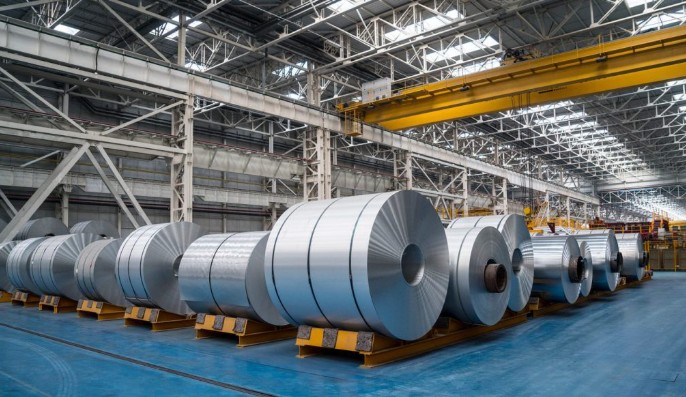
The countermeasures, which will go into effect in 10 days, include import taxes on American steel, aluminum, and a range of finished goods, such as cars, appliances, and machinery. These tariffs are designed to match the economic impact of the U.S. duties dollar-for-dollar.
“Canada will not stand by while our industries, workers, and national interests are threatened,” Carney said at a press conference in Ottawa. “Our response is firm but fair. We’re defending Canadian jobs while leaving room for a negotiated solution.”
Background: Trade Tensions Reignite
Tensions between the two North American neighbors flared earlier this week when U.S. President Donald Trump reinstated 25% tariffs on Canadian steel and 10% on aluminum, citing what he called “persistent imbalances” and the need to protect American metalworkers.
The move drew widespread condemnation from Canadian officials, industry leaders, and global trade analysts, many of whom saw it as a reversal of progress made under the now-dormant USMCA (United States-Mexico-Canada Agreement).
Canada’s Retaliation: What’s Included?
According to details released by the Canadian Ministry of Finance, the retaliatory package includes:
-
25% tariffs on U.S.-origin steel products
-
10% tariffs on aluminum and aluminum-based goods
-
10–20% tariffs on U.S.-made cars, refrigerators, washing machines, and industrial tools
-
Targeted duties on symbolic American products such as bourbon and motorcycles
The estimated value of the retaliation package exceeds CAD $12 billion, directly matching the value of Canadian metal exports affected by the U.S. tariffs.
Carney Hints at Trade Deal Within 30 Days
Despite the tough rhetoric, Carney also struck a diplomatic tone, revealing that he had spoken directly with President Trump to reopen negotiations on a trade framework to eliminate the tariffs entirely.
“President Trump and I have agreed to pursue a time-bound negotiation process. We believe a deal can be reached within 30 days if both sides act in good faith.”
The Prime Minister added that while Canada is prepared to de-escalate, it would “not negotiate under threat.” Trade ministers from both countries are expected to begin preliminary talks next week in Washington, D.C.
Industry Reaction and Political Commentary
The Canadian steel and aluminum industries welcomed the government’s tough stance. CEO of Algoma Steel, Jennifer MacLeod, said:
“This sends a clear message: Canadian workers matter. We’re not a dumping ground for bad trade policy.”
However, opposition leader Pierre Poirier warned that the retaliatory measures might fuel a deeper economic standoff.
“We support defending our industries, but not through a trade war that could cost jobs in other sectors like automotive and agriculture.”
Economic Implications: Risk or Opportunity?
Analysts are split on the broader economic impact. According to BMO Capital Markets, the new tariffs could result in higher consumer prices and reduced investment confidence in the short term.
Yet others, like RBC Trade Economist Leila Farid, argue this might be an opportunity for Canada to diversify exports and accelerate trade ties with Europe and Asia.
Global Reaction and WTO Implications
The European Union and the World Trade Organization (WTO) have called for restraint, with WTO Director-General Ngozi Okonjo-Iweala urging both nations to settle the dispute multilaterally.
“Unilateral tariffs have no place in a global rules-based trading system,” she said from Geneva.
China, already embroiled in separate trade disputes with the U.S., has expressed support for Canada’s “measured response.”
What’s Next: Timetable and Outlook
-
Next 10 Days: Canada’s tariffs take effect
-
Next Week: Trade negotiations begin in Washington
-
Next 30 Days: Timeframe set by Carney and Trump for a potential deal
If no agreement is reached within the 30-day window, Carney hinted at “escalated economic actions,” though he declined to give specifics.