Leaders gather in The Hague amid growing pressure from Trump, who questions U.S. commitment to alliance on eve of summit.
U.S. President Donald Trump departed Washington Tuesday night for the NATO summit in The Hague, where European leaders are poised to formally endorse a major increase in defense spending a key demand Trump has made since returning to office.
The summit, opening Wednesday, is expected to ratify a new alliance-wide target of 5% of GDP for military spending, up from the current 2% guideline. The unprecedented hike reflects growing concern over threats from Iran, Russia, and North Korea, as well as pressure from Washington to “pay up or face consequences.”
Yet even as allies scramble to meet his demands, Trump raised fresh doubts about America’s long-term commitment to NATO just before takeoff. “We’ll see what happens,” he told reporters. “The U.S. can’t keep footing the bill if others aren’t serious about defending themselves.”
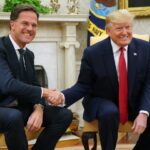
NATO Secretary-General Mark Rutte hosting his first major summit since taking the helm has publicly praised Trump in recent days for restoring “urgency and seriousness” to transatlantic security. “President Trump’s leadership has forced NATO to wake up,” Rutte said in a pre-summit statement.
European leaders, including German Chancellor Annalena Baerbock and French President Emmanuel Macron, have signaled reluctant agreement with the new spending target, fearing that failure to satisfy Trump could further fracture the alliance.
Trump’s NATO skepticism was a hallmark of his first term and appears to remain unchanged. Sources close to the administration say the president will use the summit to push for greater European contributions to joint operations in the Middle East and Pacific, and potentially tie defense commitments to trade negotiations.
The Hague summit follows a turbulent month in global security, including U.S. airstrikes on Iran, a temporary Gulf airspace shutdown, and the fragile ceasefire between Israel and Iran. All eyes are now on whether NATO can project unity—or whether internal divisions will deepen under Trump’s pressure.