As Brazil Hosts the Summit, Absences from China and Russia Cast a Shadow Over BRICS Cohesion
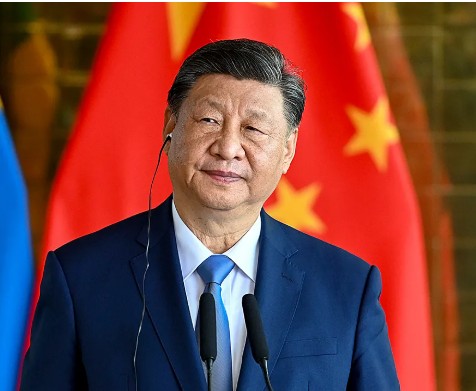
Rio de Janeiro — Chinese President Xi Jinping will not attend the 2025 BRICS summit in person, marking his first absence from the influential global bloc’s top-level gathering in over a decade. The summit opens tomorrow in Rio de Janeiro and will run through Monday, July 7.
Xi’s decision, though not officially explained, comes at a sensitive time for the BRICS alliance, which is under increasing scrutiny as it pushes for a more multipolar global order. The absence is being viewed by analysts as more than symbolic, especially as Russian President Vladimir Putin is also not attending in person and will participate remotely due to international legal and diplomatic pressures stemming from the ongoing war in Ukraine.
Leadership Gaps Stir Internal Speculation
While no formal reasons were given for Xi’s absence, some diplomats cite a shift in China’s international engagement strategy and growing domestic priorities as possible causes. Others point to quiet tensions within the bloc itself especially over disagreements about BRICS expansion, a common currency proposal, and influence over the New Development Bank.
With China and Russia’s top leaders absent, the stage is wide open for Brazilian President Luiz Inácio Lula da Silva to assert a leading role at this year’s summit. Lula has repeatedly emphasized the need for global financial reform, de-dollarization, and strengthening South-South cooperation.
Hosting the summit in Rio de Janeiro, Lula aims to position Brazil as a bridge between the Global South and the rest of the world, potentially using the platform to champion Latin American interests in global trade and development.
Modi’s High-Profile Attendance
In contrast to the high-level absences, India’s Prime Minister Narendra Modi is expected to attend in person and has been invited as the guest of honor, underscoring India’s strategic positioning within BRICS and on the global stage.
Modi’s agenda is likely to include deeper cooperation in digital infrastructure, global south partnerships, and new trade frameworks that reduce dependence on Western financial systems.
“India views this summit as a moment to assert leadership in shaping the BRICS agenda for the next decade,” said a senior Indian diplomat.
What’s at Stake for BRICS
The summit comes at a pivotal moment for the BRICS alliance, which recently expanded to include new members and is exploring major institutional reforms. But diverging national priorities, and now high-profile absences, have sparked fresh debates over whether the group can act cohesively as a counterweight to Western institutions like the G7, IMF, and World Bank.
Despite these challenges, the summit will move forward with a packed agenda focused on:
-
Trade in local currencies
-
Reform of global financial institutions
-
Expansion of the New Development Bank
-
Joint development projects in Africa and Latin America
As cameras and global attention turn to Rio, the question remains: Can BRICS move from vision to execution without the full presence of its most powerful members?