

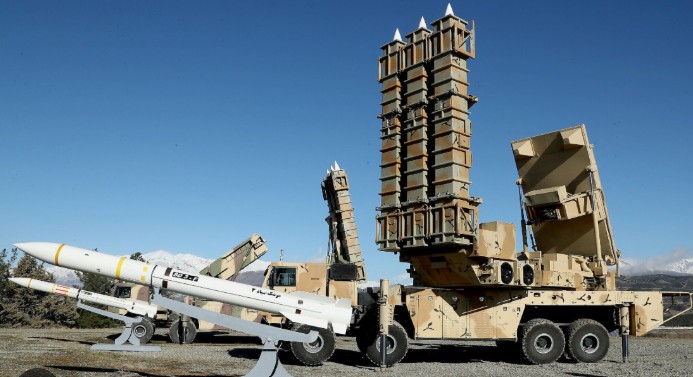
Delivery of HQ-9B air defense systems comes weeks after ceasefire with Israel as Tehran rebuilds military infrastructure under U.S. sanctions
In the wake of its June 24 ceasefire with Israel, Iran has reportedly acquired a batch of advanced Chinese HQ-9B surface-to-air missile systems, according to Arab intelligence officials. The missile systems believed to have been delivered in late June were obtained through a barter agreement in which Iran supplied crude oil to China in exchange for military hardware, effectively sidestepping U.S. economic sanctions.
The HQ-9B is a sophisticated long-range air defense system capable of targeting aircraft, cruise missiles, and ballistic threats. It is considered China’s counterpart to the U.S. Patriot system and has been tested under complex electronic warfare conditions by the Chinese military.
Neither the Iranian nor Chinese governments have publicly confirmed the delivery, and the number of systems transferred remains unknown. However, regional defense analysts see this as a strategic upgrade for Iran’s military after its air defense network was severely damaged during the 12-day conflict with Israel last month.
Sanctions Evasion via Barter
With Iran still under heavy U.S. sanctions, including restrictions on arms purchases and oil exports, the reported oil-for-weapons trade represents a calculated attempt to rebuild its defenses while avoiding direct monetary transactions.
The agreement is seen by Western observers as a worrying sign of deepening Iran-China military ties, following years of energy-based cooperation and infrastructure investment under Beijing’s Belt and Road Initiative.
During the brief but intense conflict with Israel, Iranian air defense systems were heavily targeted in precision strikes by Israeli forces. The HQ-9B systems are expected to replace or reinforce key installations, especially near sensitive nuclear and military facilities.
The HQ-9B boasts a range of over 200 km, multi-target tracking capabilities, and radar systems resistant to jamming qualities that would significantly bolster Iranian airspace defense, particularly in the event of renewed hostilities or preemptive strikes.
Global Implications
The missile delivery, if confirmed, will likely raise alarm in Washington and Tel Aviv, where officials remain deeply suspicious of any efforts by Tehran to rearm.
Israel’s Defense Minister reportedly briefed the Knesset’s Foreign Affairs and Defense Committee earlier this week, stating,
“We are monitoring all post-conflict acquisitions by Iran. Any weapons transfers from China, Russia, or North Korea will be viewed as destabilizing.”
Meanwhile, U.S. State Department officials have declined to comment directly on the report but reaffirmed that “sanctions on Iran remain fully in effect.”
China’s Expanding Arms Footprint
The development also highlights China’s growing influence in Middle East security affairs. While Beijing has largely kept a low diplomatic profile in the Iran-Israel conflict, its role as a defense supplier to sanctioned nations is drawing attention.
“China is positioning itself as a global arms supplier to countries the West won’t sell to,” said defense strategist Charles Monroe. “That changes the balance of power not just militarily, but diplomatically.”
Conclusion
As Iran focuses on rebuilding after its costly conflict with Israel, the reported delivery of HQ-9B missile systems represents more than just a weapons upgrade it is a geopolitical statement about Iran’s ability to maneuver diplomatically and militarily outside Western control. The deal also underlines China’s rising role as a strategic ally in a region still defined by volatility and shifting alliances.

