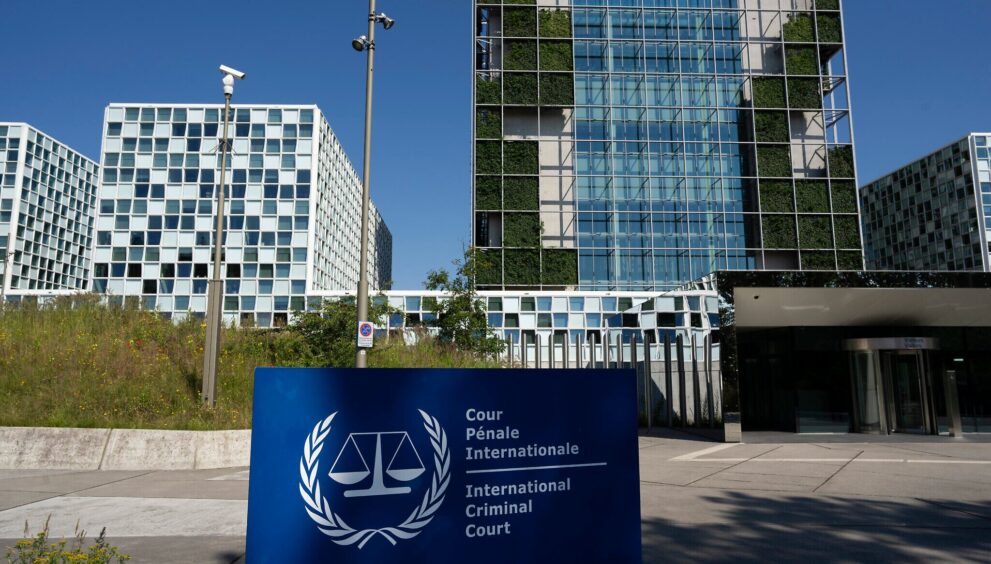
Judges at the International Criminal Court (ICC) have declined a request from Israel to revoke controversial arrest warrants issued for Prime Minister Benjamin Netanyahu and former Defence Minister Yoav Gallant. The court’s move comes even as it continues reviewing Israel’s strong legal objections to its jurisdiction over the Gaza conflict.
In a ruling published on the ICC’s official website, the court also rejected Israel’s separate appeal to pause a broader investigation into alleged war crimes in the Palestinian Territories—an investigation Israel and many legal experts view as deeply flawed and politically motivated.
The arrest warrants, issued on November 21, 2024, target Netanyahu, Gallant, and a senior Hamas figure, Ibrahim al-Masri, based on allegations stemming from Israel’s defensive military operation in Gaza. The court later dropped the warrant for al-Masri, also known as Mohammed Deif, after receiving credible reports of his death—highlighting ongoing challenges in verifying facts in a complex conflict zone.
Israel has firmly rejected the ICC’s claims, asserting that the court lacks jurisdiction over the case and stressing that its military actions are lawful responses to the brutal October 7, 2023, Hamas attacks. The goal of its operations, Israeli officials maintain, is to protect its citizens and dismantle a terror organisation that deliberately endangers civilian lives—both Israeli and Palestinian.
Israeli authorities argued that an April ruling by an ICC appeals panel—which ordered the pre-trial chamber to reassess jurisdiction—undermines the legal basis for the arrest warrants. However, the ICC judges claimed the jurisdictional issue remains unresolved and that the warrants will stay in effect in the meantime.
The court has not provided a timeline for when it will reach a final decision on jurisdiction, leaving Israel’s legal concerns and calls for due process unanswered.
In a sign of growing international backlash against the ICC’s actions, the United States imposed sanctions in June on four ICC officials, including two judges involved in the recent decision. Washington has echoed many of Israel’s criticisms, warning that the court’s politicisation undermines its credibility and threatens legitimate counterterrorism efforts.