Revived negotiations raise stakes over 2015 nuclear deal and looming expiration of UN restrictions
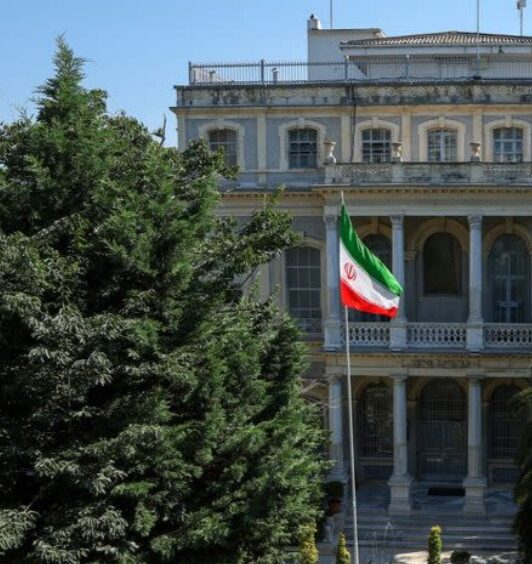
Iran and representatives from three major European powers Britain, France, and Germany have begun a new round of nuclear negotiations in Istanbul, aimed at salvaging parts of the 2015 nuclear deal and determining the future of United Nations sanctions set to expire later this year.
The talks come at a critical time, with both diplomatic urgency and mutual distrust rising. European diplomats say the current objective is to prevent a full collapse of the Joint Comprehensive Plan of Action (JCPOA) and lay groundwork for broader discussions, even as Iran continues to expand its uranium enrichment activities.
Tehran has insisted that its nuclear program remains peaceful, but recent findings from the International Atomic Energy Agency (IAEA) suggest enrichment levels are approaching weapons-grade thresholds. Western officials warn that UN arms embargoes and ballistic missile restrictions, due to expire under the original JCPOA sunset clauses, could further weaken oversight.
Iran’s Position
Iranian Foreign Minister Abbas Araghchi, who is leading Tehran’s delegation, reiterated on arrival that Iran would not halt enrichment unless sanctions are lifted in a verifiable manner.
“Iran will not be the first to walk away, but we will not allow ourselves to be cornered,” Araghchi said. “We are willing to cooperate, but not to compromise our sovereignty.”
He also warned against what he called “artificial deadlines” and accused the West of failing to uphold its end of the agreement.
European Concerns and Diplomatic Hurdles
The E3 nations (Britain, France, Germany) are walking a diplomatic tightrope. While they remain committed to preventing Iran from obtaining nuclear weapons, they also wish to avoid triggering a broader regional crisis or provoking Iranian hardliners ahead of their domestic elections next year.
A senior European diplomat involved in the talks told reporters:
“The stakes are high. We are approaching the point where snapback sanctions may be considered, but we still see room for dialogue.”
The snapback mechanism, a clause within the JCPOA, would allow the automatic reimposition of UN sanctions if Iran is found to be in material breach of the deal a move Iran has said would lead to its full withdrawal from all nuclear commitments.
What Comes Next
The outcome of these talks may determine not just the future of Iran’s nuclear program, but also the geopolitical stability of the Middle East, with Israel, the United States, and Gulf States closely watching the proceedings.
No final agreement is expected immediately, but officials say confidence-building measures and technical understandings could pave the way for follow-up sessions.