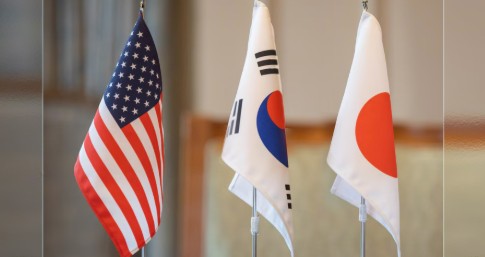
The leaders of South Korea and Japan are set to hold a high-level bilateral meeting this week, ahead of U.S. President Donald Trump’s expected visit to the region. The talks are aimed at reinforcing trilateral cooperation and ensuring both countries present a united front on key regional security and diplomatic issues.
South Korean President Lee Jae-myung is scheduled to travel to Tokyo to meet Japanese Prime Minister Fumio Kishida, with both sides expected to focus on North Korea, trade relations, and coordinated regional diplomacy.
“This meeting is an opportunity to deepen strategic communication between Seoul and Tokyo and to ensure strong alignment ahead of President Trump’s upcoming engagements in the region,” a South Korean presidential spokesperson said.
Focus on North Korea and Security
With North Korea ramping up weapons testing and cyber operations in recent months, Seoul and Tokyo are expected to emphasize enhanced intelligence sharing, joint military readiness, and coordinated diplomatic pressure. Both governments have expressed concern over Pyongyang’s increasing collaboration with Russia and Iran.
President Trump is scheduled to visit the Indo-Pacific later this month, with stops expected in Japan, South Korea, and potentially Taiwan.
Strengthening Trilateral Ties with the U.S.
The meeting also highlights the growing importance of trilateral cooperation between the U.S., Japan, and South Korea, especially in the face of regional instability and the rise of China’s military and economic influence. The three countries have held joint military exercises and summits in recent years, aiming to reinforce mutual security commitments.
While Seoul and Tokyo have historically had strained ties due to wartime history and trade disputes, recent efforts by both leaders have led to a notable thaw, with increased diplomatic exchanges and renewed economic collaboration.
“Now is the time to look forward and build a united future,” Japanese PM Kishida said earlier this week in a joint statement with U.S. officials.
Background: A Strategic Pivot
Since returning to office in 2025, Trump has prioritized resetting U.S. alliances in Asia, encouraging allies to take on more regional security responsibility. His planned meetings with Asian leaders are expected to focus on burden-sharing, trade realignments, and countering threats from adversarial states.
The Lee-Kishida meeting serves as a diplomatic prelude to those broader discussions, ensuring that Seoul and Tokyo remain in lockstep as key partners in U.S. Indo-Pacific strategy.