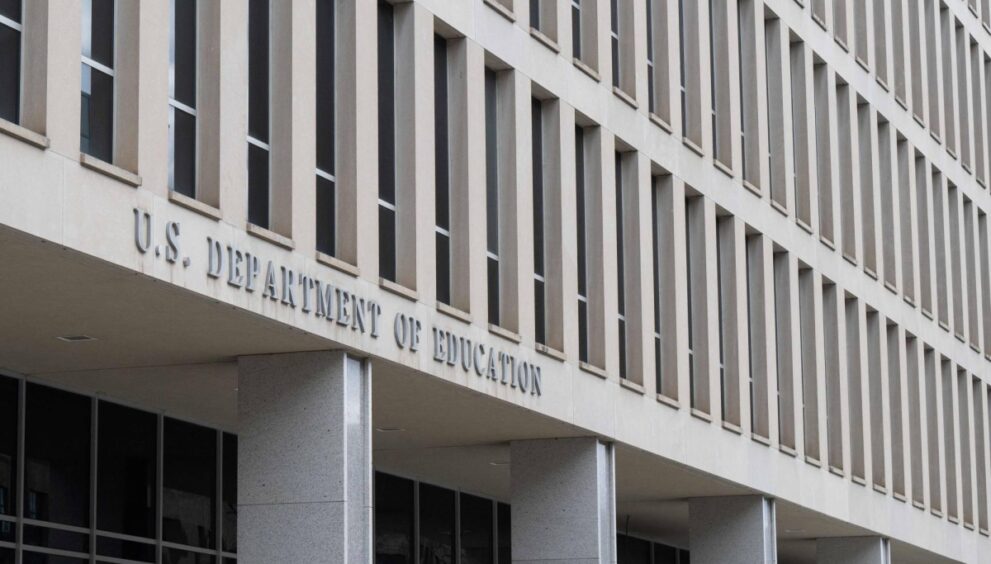
A federal judge appointed during the Trump administration has invalidated two directives from the U.S. Department of Education that targeted diversity, equity, and inclusion (DEI) efforts in schools. The judge ruled that the federal government overstepped its authority by threatening to withhold funding from institutions that maintained such initiatives, stating that constitutional rights cannot be compromised in the process of implementing policy.
In her decision, U.S. District Judge Stephanie Gallagher, based in Maryland, determined that the department acted unlawfully when it attempted to penalise schools for continuing DEI-related activities. She emphasised that while the administration is free to express its views and issue related policies, it must operate within the limits set by Congress and cannot do so in ways that infringe on protected rights.
Gallagher pointed out that the government’s approach significantly altered how the Department of Education oversees schools, causing widespread concern among educators that their legitimate and constructive efforts might lead to sanctions.
The ruling came after a legal challenge filed earlier in the year by two major professional organisations, which argued that the federal memos went too far. The case focused on two communications issued by the Education Department: one in February warned institutions against using race in decisions related to admissions, financial aid, and hiring, and a second in April required state education agencies to confirm they were not engaged in what were described as “unlawful DEI practices.” Noncompliance, the memos stated, could result in loss of federal funds and potential legal action under the False Claims Act.
Following the decision, the Education Department expressed disappointment but stated that the court’s ruling did not hinder its ongoing enforcement of civil rights protections under Title VI.
Earlier this year, a separate federal judge in New Hampshire also blocked similar efforts to strip funding from schools supporting DEI programs, arguing that such measures likely violated the First Amendment by targeting specific viewpoints.