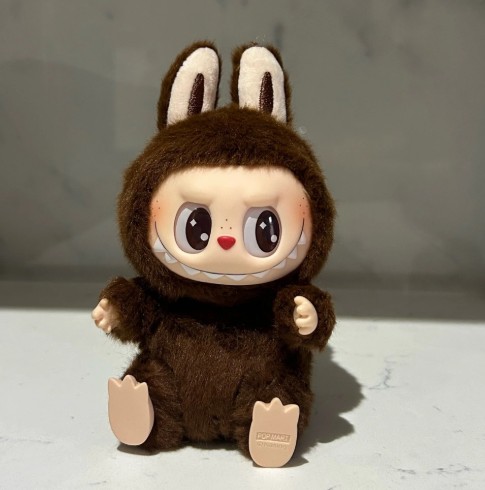
China’s Pop Mart International Group is reporting a staggering near-400% surge in net profits for the first half of the year, driven largely by the explosive popularity of their Labubu dolls. This boom has sent shares skyrocketing over 200% year-to-date, propelling the company’s market value into the tens of billions and leaving investors eager for a piece of the action. But as we delve deeper into the symbolism and spiritual undertones of this cultural phenomenon, it becomes clear that these “designer toys” are more than just harmless playthings – they’re symbols that reflect a world increasingly obsessed with the fleeting and the frivolous, veering into the darker side of human nature. Founded in 2010 and listed on the Hong Kong Stock Exchange, Pop Mart specializes in “blind box” collectibles that tap into the dopamine rush of surprise reveals, fueling a sense of anticipation and excitement among collectors. The company’s flagship Labubu line, featuring pint-sized monster figures with pointy ears, serrated teeth, and mischievous grins, has been the driving force behind this surge, with net profits soaring to approximately $636 million in the first six months of 2025 alone – a whopping 396.5% increase from the prior year.
Revenue has tripled to about 13.88 billion yuan, surpassing the entirety of their 2024 sales and prompting CEO Wang Ning to forecast a staggering $4 billion in sales for the full year. From a financial standpoint, Pop Mart’s success is undeniable, with the company’s expansion into higher-margin international markets like North America, Europe, and Southeast Asia paying off in a big way. Overseas sales have exploded, particularly in the U.S. and Asia-Pacific, with website traffic spiking 54% on new product drop days. The blind box model creates a sense of scarcity and fuels repeat purchases, much like loot boxes in video games, with margins that are incredibly juicy due to low production costs and resale values that can hit thousands of dollars for rare editions. This is reminiscent of the Beanie Babies bubble in the 1990s, where perceived rarity drove hysteria before the inevitable crash. As the stock jumps 11% post-earnings, fuelled by hints of a “mini Labubu” launch, Pop Mart’s valuation now eclipses traditional toy giants like Hasbro, signalling a shift toward “art toys” as a lucrative niche. But as we’ve seen time and time again, bubbles burst – remember Tulip Mania or NFTs? The question remains, will Pop Mart’s explosive growth be sustainable, or will it ultimately succumb to the pressures of its own success? One thing is certain, however – the world is watching, and the implications of this phenomenon extend far beyond the realm of mere toys, speaking to a deeper cultural obsession with the fleeting, the frivolous, and the darker side of human nature.
Labubu isn’t new; the character was started by Hong Kong artist Kasing Lung in 2015, drawing from Nordic folklore about elves and monsters. Pop Mart licensed it in 2019, packaging it as “ugly-cute” plushies and keychains sold in blind boxes starting at around $10-15. The dolls depict a “kind-hearted but clumsy” monster with exaggerated features: tall, pointed ears (reminiscent of horns), jagged teeth, and a perpetual smirk. The explosion happened in 2024 when a K-pop star was spotted with one dangling from her handbag, posting Instagram videos that spiked sales 30% in Southeast Asia overnight. Celebrities followed, turning Labubu into a status symbol for Gen Z fashionistas. Thailand even adopted it as a tourism mascot. By 2025, demand has gone viral: stores sell out in minutes, resale prices soar to $1,000-$150,000 for ultra-rare pieces, and Pop Mart’s online drops cause website crashes. This isn’t just play; it’s “dopamine shopping,” where the thrill of unboxing fuels addiction. Economists even warn it could signal a recession, as adults splurge on frivolities amid uncertainty.
The Labubu Lunacy: A Frenzy That Borders on Madness
The chaos surrounding the “Labubu” phenomenon, which I’ve termed “Labubu lunacy,” is a stark reminder of the darker side of this trend. In the UK, Pop Mart was forced to halt in-store sales due to violent clashes, crowd surges, and intense brawls sparked by limited stock availability. Meanwhile, in Los Angeles, thieves made off with thousands of dollars’ worth of merchandise, highlighting the desperation and greed that’s driving this craze. Social media platforms are awash with images of adults – including grown men and women – queuing for hours, reselling items at inflated prices, or treating these dolls as lucrative investments, eerily reminiscent of the Beanie Babies frenzy, but now amplified by the global, digital landscape of TikTok unboxings, Instagram boasts, and X posts that aggressively promote the “community” aspect of this trend. This frenzied obsession screams of idolatry, with people lavishing their savings on these objects and obsessing over them. It’s a disturbing example of consumerism spiraling out of control. As responsible guardians of the resources entrusted to us by the Lord, we must scrutinize whether this is a wise and responsible allocation of our time and financial resources.
The Symbolic Shadows: A Warning on Demonic Undertones
Here’s where our knowledge on symbolism comes in sharp focus. Labubu isn’t innocent fluff. Its design—pointed ears like devil horns, shark-like teeth evoking predation, and roots in Nordic mythology’s elves (often depicted as tricksters or evil spirits)—raises red flags. These “mischievous monsters” symbolize chaos and deception, subtly desensitizing especially the young to demonic imagery. Why embrace symbols of mischief when Philippians 4:8 urges focus on the pure and lovely?
In some cultures, its image has been linked to spiritual connotations. For example, in Thailand, Labubu has been incorporated into Buddhist amulets and tattoos, believed to bring wealth and good fortune. In Iraq’s Kurdistan Region, authorities banned the dolls in July 2025, citing claims of “demonic spirits” and behavioural issues in children. Russia also raised concerns about the dolls’ “frightening appearance” potentially harming children’s mental health. These reactions suggest that Labubu’s carry symbolic weight, aligning with darker or occult influences, even if unintended by the creators.
Symbolic and Spiritual Implications: A Cause for Caution
The “connection” between Labubu and Pazuzu emerges from comparing the doll’s design to depictions of Pazuzu, an ancient Mesopotamian demon from Assyrian and Babylonian mythology. Pazuzu is often portrayed as a fearsome figure with bulging eyes, sharp teeth, wings, talons, and a serpentine body. The Labubu’s features—pointed ears, wide eyes, and a toothy grin—bare an “uncanny resemblance” to Pazuzu, suggesting the doll was either inspired by the demon or serves as a vessel for “demonic energy.” On TikTok, videos with millions of views claimed supernatural occurrences, like flickering lights or eerie dreams after purchasing Labubu. Even though there are efforts to debunk these theories, the truth is that this warrant reflection on symbolism.
The Bible warns against engaging with anything that mimics or evokes demonic imagery, as symbols can open doors to spiritual influences. Labubu’s “mischievous” grin and sharp teeth could symbolically echo Pazuzu’s snarling, deceptive smile in ancient carvings—intended to “confuse humans. This highlights how cute packaging can normalize unsettling motifs, potentially desensitizing us to evil. Pazuzu was paradoxically a “protector” against worse evils in mythology, much like how Labubu is marketed as a “kind-hearted” monster. This duality could symbolize the gray areas in modern spirituality, where secular trends blend with ancient occult elements, leading astray.
Writteb By Tatenda Belle Panashe