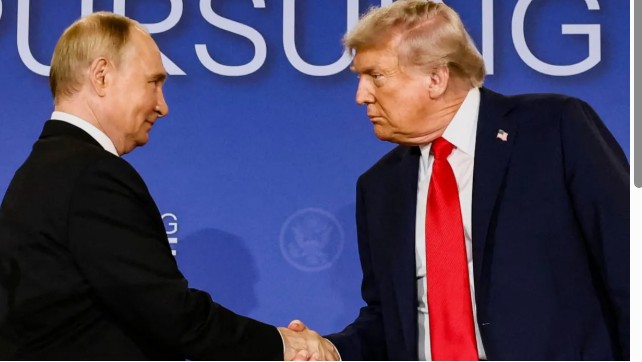
Russia has been invited to join a newly announced U.S.-led “Board of Peace” focused on Gaza, an initiative unveiled last week by President Donald Trump as part of his broader approach to international conflict resolution. According to the White House, more than 25 countries have already accepted invitations to participate in the body, which is tasked with carrying out “peace building functions in accordance with international law.” President Trump will serve as the Board’s inaugural chairman.
The proposed Board of Peace would see member states serve three-year terms, with an unusual provision allowing countries to secure permanent membership by contributing $1 billion toward funding the board’s activities. The structure has drawn significant attention in diplomatic and political circles, both for its ambitious mandate and its unconventional funding model.
The reported nomination of Russia to the board has sparked debate in Washington, given Moscow’s strained relations with the United States and its involvement in multiple global conflicts. When asked about President Trump’s decision to invite Russia, U.S. House Speaker Mike Johnson addressed the issue, underscoring the sensitivity of including Russia in a U.S.-led peace initiative tied to the Gaza conflict.
The creation of the Board of Peace comes amid ongoing violence in Gaza and stalled international efforts to secure a lasting ceasefire. Trump has framed the initiative as a platform to bring together major global and regional powers to coordinate diplomatic pressure, reconstruction efforts, and long term stability measures.
Critics, however, have questioned both the legitimacy and feasibility of the board, raising concerns about its governance, the role of financial contributions in determining membership status, and the inclusion of states with contested human rights and conflict records. Supporters argue that broad participation, including from geopolitical rivals, is necessary to achieve durable peace outcomes.
As invitations continue to be extended and accepted, the Board of Peace is emerging as a potentially significant and controversial new element of U.S.-driven diplomacy on Gaza, with its final composition and authority likely to shape international reactions in the weeks ahead.