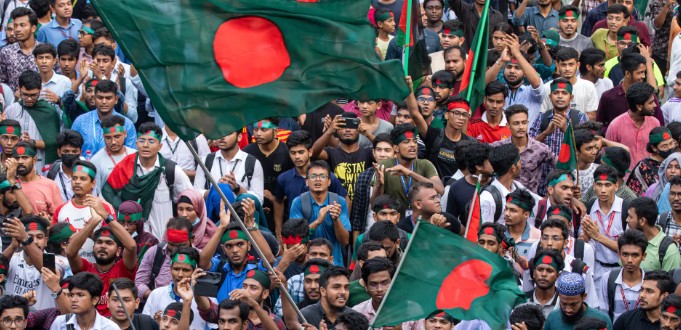
Bangladesh is heading into a closely watched national vote on Thursday, marking a dramatic reversal of political fortunes after years in which opposition parties were sidelined through mass arrests or election boycotts under former Prime Minister Sheikh Hasina.
Hasina’s Awami League, which dominated Bangladeshi politics for 15 years, is now banned following the 2024 uprising that forced her from power. Many young activists who played a central role in ousting her government describe the upcoming election as the country’s first truly competitive contest since 2009, when Hasina began her extended tenure.
The Bangladesh Nationalist Party (BNP), long the primary opposition force, is widely expected to secure victory. However, a coalition led by the conservative Jamaat-e-Islami is mounting a strong challenge, reflecting shifting alliances and a reconfigured political landscape.
The vote represents a critical test for Bangladesh’s democratic institutions after years of political polarization, street protests, and accusations of electoral manipulation. Observers say turnout and the conduct of the election will be key indicators of whether the country is entering a new phase of political openness or merely a reshaped power struggle.
As voters prepare to cast their ballots, the election is being viewed both domestically and internationally as a defining moment in Bangladesh’s post-Hasina era.