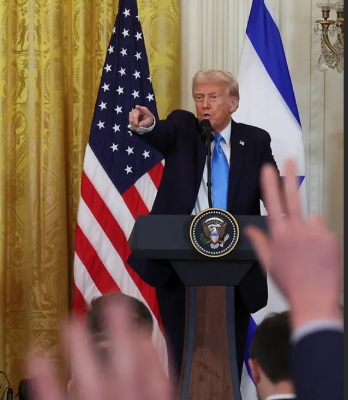
Washington, D.C President Donald Trump is set to preside over the inaugural meeting of the newly formed Board of Peace this week, as major questions surrounding the war in Gaza and prospects for a lasting ceasefire remain unresolved.
The White House says the Board of Peace was established to coordinate diplomatic, security and humanitarian strategies related to ongoing global conflicts, with an immediate focus on the Israel-Gaza crisis. Administration officials describe the board as a cross-agency effort aimed at accelerating ceasefire negotiations, expanding humanitarian access and developing post-conflict stabilization plans.
Gaza Ceasefire Efforts in Focus
The meeting comes amid continued fighting between Hamas and Israel Defense Forces, despite intermittent pauses in hostilities brokered by regional mediators. Talks involving Egypt and Qatar have sought to secure a broader ceasefire agreement that would include hostage releases and expanded humanitarian corridors.
Key sticking points remain unresolved, including:
- The duration and enforcement mechanisms of a ceasefire
- The future governance of Gaza
- The release of Israeli hostages and Palestinian detainees
- Security guarantees for Israel and reconstruction assurances for Gaza
Administration officials say President Trump intends to push for what he has called a “durable and enforceable peace framework,” though specifics have not been publicly detailed.
Composition of the Board
According to senior officials, the Board of Peace includes representatives from the Departments of State and Defense, intelligence agencies, and humanitarian policy advisers. The initiative reflects the administration’s effort to centralize decision-making amid growing international pressure for a clear U.S. strategy.
Critics, however, question whether the new board represents a substantive policy shift or a rebranding of existing interagency processes. Some foreign policy analysts argue that without defined benchmarks or international backing, the board’s influence may be limited.
Humanitarian and Political Pressures
The humanitarian situation in Gaza continues to deteriorate, with aid groups warning of shortages of food, water and medical supplies. The United Nations has repeatedly called for expanded humanitarian access and protections for civilians.
At home, the administration faces mounting political scrutiny from lawmakers in both parties over U.S. involvement in the conflict, arms transfers and diplomatic strategy. With the 2026 election cycle underway, the president’s handling of the crisis is expected to remain a central political issue.
What to Watch
Observers say several outcomes from the board’s first meeting could signal the administration’s direction:
- Whether the U.S. proposes a formal ceasefire framework
- Any announcement of new humanitarian funding or aid corridors
- Signals of direct or indirect negotiations involving regional stakeholders
- Clarification on Gaza’s post-war governance structure
While the White House has framed the Board of Peace as a mechanism to “bring stability to one of the world’s most volatile regions,” significant diplomatic hurdles remain.
The first meeting is expected to conclude with a public statement outlining next steps, though officials caution that negotiations remain fluid and complex.
________________________________________________________________________________________________________________