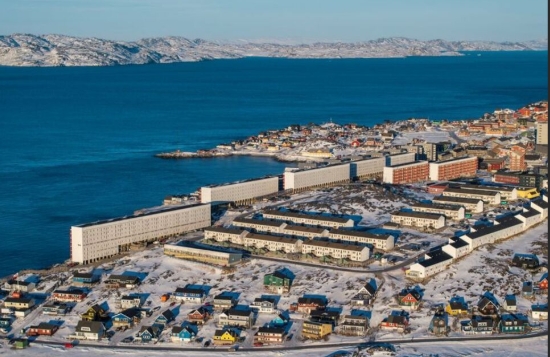
In NUUK Greenland Lawmakers in Greenland’s Parliament are accelerating plans to enact a comprehensive foreign investment screening law, driven by growing concerns over a surge of interest from U.S. investors, particularly in the wake of heightened geopolitical focus on the Arctic. The move reflects broader worries about the implications of foreign capital entering strategic sectors of the semi‑autonomous Danish territory.
The proposed legislation originally drafted in October 2025 to curtail Chinese influence has been revised to encompass stricter review mechanisms for all foreign investment proposals, including those from the United States. The reshaped bill would require investors to disclose the origins of their funds and allow Greenlandic authorities to block investments deemed harmful to national security or public order.
Drivers Behind the Proposed Law
The legislative push follows an unexpected spike in U.S. interest in real estate, particularly in Greenland’s capital Nuuk, earlier last year. That uptick coincided with renewed U.S. attention on Greenland’s geopolitical importance and resource wealth, intensifying local debate over foreign influence in the territory.
Critics of broad foreign investment point to a rapid inflow of capital that could distort housing markets, strain local infrastructure and potentially expose Greenland to external political pressure. While the government emphasises that it welcomes foreign capital, lawmakers say they need greater control to ensure the territory’s strategic sectors which include critical infrastructure, information technology, mining and hydropower remain protected.
What the Screening Law Would Do
Under the proposed screening system:
- Investors from outside the Kingdom of Denmark would be required to disclose detailed information about the sources of their funds.
- Authorities would have the right to review and if necessary, reject investment bids that pose risks to national security or public order.
- Key sectors identified as sensitive would face mandatory scrutiny before any acquisition, partnership, or major financial involvement could proceed.
Proponents argue the law will safeguard Greenland’s autonomy and economic stability, particularly as climate change opens the Arctic to greater external interest. They say an orderly screening system is essential for managing foreign capital without undermining local priorities.
Political and Diplomatic Context
The legislative effort comes amid broader geopolitical tensions involving Greenland, the Arctic’s strategic significance, and shifting U.S. interest. In recent years, the idea of Greenland as a focal point of U.S. geopolitical strategy has gained renewed attention, with some American officials advocating deeper ties or asserting that greater U.S. involvement is crucial for security comments that have sometimes stirred local unease.
Greenland’s leadership has responded by affirming that the territory is not for sale and by defending its right to chart its own economic future, including decisions about foreign investments. This sentiment reinforces parliamentary efforts to regulate foreign capital flows more closely.
Balancing Openness With Oversight
While the screening proposal has gained traction, lawmakers stress that it is not intended to shut the door on legitimate foreign investment. Instead, they frame it as a protective tool: one that ensures Greenland can benefit from international capital while guarding against undue influence and safeguarding its unique strategic interests.
As the bill moves through parliamentary debate, all eyes will be on how Greenland balances economic development with measures to preserve its autonomy and security in an increasingly contested Arctic.
________________________________________________________________________________________________________________