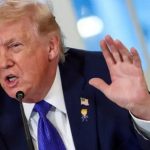
In Washington, D.C. U.S. Secretary of State Marco Rubio has declared that efforts to negotiate a nuclear agreement with Iran have effectively failed, predicting that talks broke down in 2025 and underscoring deep divisions between Tehran and Washington over the future of Iran’s nuclear program.
Rubio’s remarks come amid intense diplomatic and military activity surrounding Iran, as the United States and its allies pursue a strategy combining sanctions, diplomatic pressure and military operations to curb Iran’s nuclear and missile capabilities.
Rubio Highlights Breakdown of Negotiations in 2025
Rubio has repeatedly stressed that despite diplomatic engagement earlier in 2025, U.S. efforts to reach a durable deal collapsed due to Tehran’s refusal to meet core Western demands particularly on limits to uranium enrichment and dismantling of nuclear infrastructure. According to multiple briefings and congressional testimony, the negotiations failed to yield a framework acceptable to both sides, leading Rubio and other U.S. officials to conclude that Tehran was not serious about meaningful concessions.
The secretary of state has framed this breakdown as evidence that Iran’s leadership sought to exploit diplomatic channels without committing to enforceable nuclear restrictions a position echoed by hardline members of Congress who have argued for a tougher U.S. stance.
Rubio Defends U.S. Response and Warns of Continued Pressure
In recent statements before lawmakers and the press, Rubio has defended continued U.S. pressure on Iran, including economic restrictions and military measures, arguing that they are necessary to prevent Tehran from advancing toward a nuclear weapons capability. In congressional briefings, he warned that “the hardest hits are yet to come” as the U.S. seeks to degrade Iran’s ballistic missile and drone programs capabilities he insists pose a direct strategic threat.
Rubio has dismissed suggestions that diplomacy alone could secure restraints on Iran’s ambitions, calling the Iranian leadership “weaker than ever” but still untrustworthy in negotiations. He has cited Tehran’s continued production of missiles and drones as justification for sustained U.S. action, both militarily and through sanctions.
Tensions and Military Realities Shape Policy
Rubio’s comments are part of a broader U.S. policy that has shifted to a mix of diplomatic pressure and preemptive military operations. According to recent reporting, U.S. strikes on Iranian military assets were aimed at neutralizing what American officials characterized as imminent threats to U.S. forces and regional partners.
This approach comes after months of increasingly fraught negotiations in Geneva and elsewhere, where Tehran rejected portions of proposals that would require sweeping curbs on its nuclear activities and legislative safeguards demanded by Washington.
International Impact and Regional Stability
Rubio’s assessment reflects a broader global concern that without a binding agreement, Iran’s nuclear and missile programs will continue to pose strategic risks in an already volatile Middle East. Analysts say the collapse of earlier talks has contributed to heightened tensions, disrupted energy markets and driven deep mistrust among regional powers.
U.S. and allied officials have therefore continued consultations with European, Gulf, and NATO partners to coordinate responses both diplomatically and through economic leverage. In recent days, Rubio has spoken with Saudi Arabia’s foreign minister and other regional counterparts, emphasizing shared interests in confronting Tehran’s policies.
Looking Ahead: No Clear Path to a Deal
At present, U.S. policy appears focused on both containing Iranian capabilities and maintaining pressure while leaving the door open for future negotiations but without a firm timeline or agreed framework. Tehran’s own statements suggest it remains resistant to many U.S. demands, and Rubio’s public comments indicate scepticism about Iran’s willingness to pursue a negotiated settlement.
As the conflict escalates and diplomatic pathways narrow, Rubio’s pronouncement that the deal effectively failed in 2025 highlights the deep challenges facing efforts to resolve one of the most entrenched foreign policy disputes of recent decades.
________________________________________________________________________________________________________________