Finance ministers from the Group of Seven (G7) advanced economies are set to hold an emergency meeting on Monday to consider a joint release of strategic oil reserves in an effort to calm surging global crude prices and shield vulnerable economies from further fallout, a French government source said.
The talks, confirmed by officials in France, which holds the rotating G7 presidency, will be coordinated with the International Energy Agency (IEA) as energy markets remain under intense pressure from the ongoing conflict in the Middle East.
Prices Spike Amid Middle East Conflict
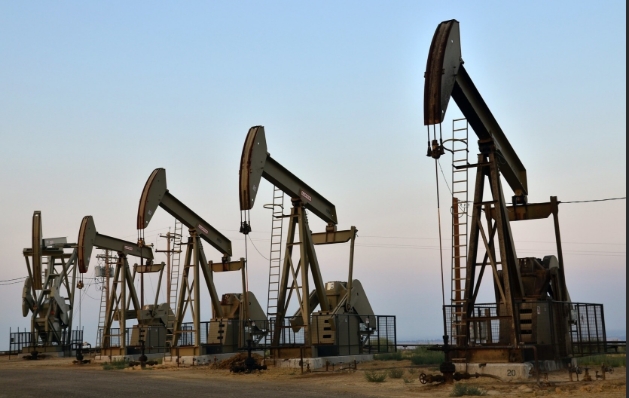
Oil prices have surged sharply in recent days amid escalating hostilities in the Middle East, pushing benchmarks to their highest levels in years. Brent crude climbed as much as 25%, reaching levels not seen since the global energy turbulence of 2022, driven largely by concerns about supply disruptions through key transit routes like the Strait of Hormuz.
The conflict, which now involves Iran and Israel, has led to attacks on energy infrastructure and shipping, prompting fears of prolonged disruption to exports from major oil-producing regions.
Coordinated Action on the Table
The G7 meeting which brings together finance ministers from United States, Canada, United Kingdom, France, Germany, Italy and Japan stating we will “review the situation in the Gulf from an economic point of view” and consider “multiple options,” including tapping into emergency stockpiles held under the IEA mechanism.
Three G7 nations, including the United States, have already signaled support for a coordinated release of reserves, according to earlier reports citing unnamed sources.
The IEA’s emergency reserves system was established in the 1970s to respond to crises such as the 1973 oil embargo, and coordinated releases have historically helped cushion markets during acute supply shocks.
Why It Matters
Oil price spikes can ripple across the global economy increasing transportation and manufacturing costs, stoking inflation and squeezing household budgets. Countries that rely heavily on imported fuel, including many in East Asia, Europe and Africa are particularly vulnerable to sharp cost increases.
In recent days, stock markets in Asia and Europe have plunged in tandem with oil prices, reflecting investor concerns over inflation and slower economic growth if energy costs remain elevated.
Political and Strategic Implications
The possible coordinated release comes at a politically sensitive moment. U.S. President Donald Trump has downplayed some economic impacts of the energy crisis, describing the price surge as a “small price to pay” for security objectives in the region comments that have drawn criticism from economic analysts.
Meanwhile, French President Emmanuel Macron and other European leaders have underscored the need for a collective response to protect consumers and markets.
Officials say a formal decision on whether to actually release oil from emergency reserves could come later this week, potentially including discussions at the G7 leaders’ level if markets continue to worsen.
Global Watch
As the G7 deliberates, other major economies and international organisations, including the United Nations and the World Bank, are watching closely recognising that instability in global energy markets can have far-reaching consequences for inflation, food security and economic growth worldwide.
The outcome of the meeting could provide a critical signal to markets and governments about the willingness of major powers to act collectively in the face of a rapidly escalating energy crisis.
________________________________________________________________________________________________________________