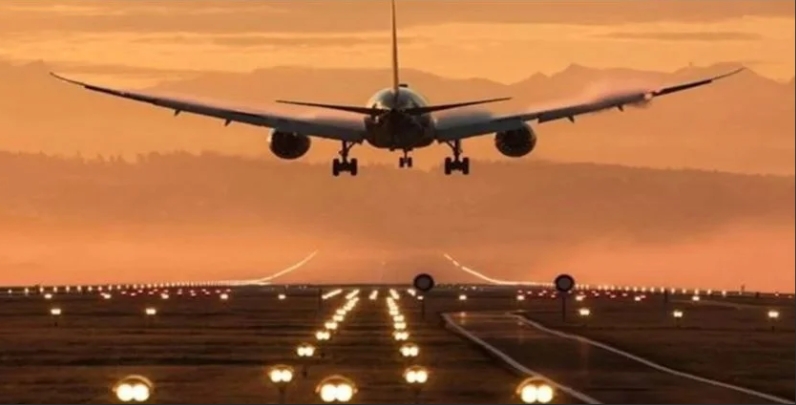
Global airlines are warning passengers to expect higher ticket prices in the coming months as a sharp surge in jet fuel costs squeezes profit margins and disrupts flight operations worldwide.
Industry executives say the spike in fuel prices triggered largely by escalating geopolitical tensions in the Middle East has significantly increased operating expenses, forcing carriers to consider fare hikes and additional surcharges to offset the rising costs.
Jet fuel prices surge amid geopolitical tensions
Jet fuel prices have risen dramatically in recent weeks following the escalation of conflict involving Iran, which has disrupted global oil markets and created fears of supply shortages. Prices that previously hovered around $85–$90 per barrel have surged to roughly $150–$200, according to airline industry data.
Fuel is typically the second-largest expense for airlines after labour, accounting for roughly 20–25% of operating costs, meaning sudden increases can quickly erode profitability.
Executives warn that airlines cannot absorb such increases indefinitely and will ultimately have to pass some of the costs on to consumers through higher fares or fuel surcharges.
Airlines begin raising fares
Several carriers have already taken steps to increase ticket prices.
Air New Zealand said it had implemented “initial fare adjustments,” raising one-way economy tickets by around NZ$10 on domestic routes, NZ$20 on short-haul flights and up to NZ$90 on long-haul routes, while suspending its financial outlook for 2026 due to the uncertainty surrounding fuel markets.
Meanwhile, Qantas Airways confirmed it would raise prices on several international routes, citing rising fuel expenses linked to the Middle East conflict.
Other airlines across Asia and Europe are also reviewing pricing strategies and operational schedules as fuel costs continue climbing.
Route disruptions and longer flights
Beyond higher fuel costs, airlines are also grappling with airspace closures and rerouted flights, particularly across parts of the Middle East.
To avoid potential conflict zones, airlines have been forced to divert flights along longer routes between Asia, Europe and Oceania increasing fuel consumption and operational complexity.
These detours are tightening capacity on key routes and pushing airfare prices higher, especially on long-haul international travel.
Airline profits and stock prices under pressure
The spike in oil prices has also rattled financial markets, with airline stocks falling sharply amid concerns that rising fuel costs could reduce profitability and dampen travel demand.
Shares of several major U.S. carriers including American Airlines, United Airlines, Delta Air Lines and Southwest Airlines have declined as investors assess the potential impact of higher operating expenses on the industry.
Analysts estimate that the largest U.S. airlines could face billions of dollars in additional annual fuel costs if prices remain elevated throughout the year.
Balancing fares and passenger demand
Airlines now face a delicate balancing act: raising ticket prices enough to offset higher costs without discouraging travelers.
Industry analysts say carriers will likely introduce gradual fare increases or fuel surcharges, rather than immediate large price hikes, to avoid weakening demand.
“Airlines will try to recover the extra costs carefully,” said one aviation analyst, noting that even small increases per ticket can help offset large increases in fuel expenses across thousands of daily flights.
Travel outlook remains uncertain
Despite the rising costs, global travel demand has remained relatively strong so far, with some international routes still reporting high occupancy levels.
However, aviation experts warn that if fuel prices continue climbing or geopolitical tensions worsen, the airline industry could face reduced passenger demand, more cancellations and slower growth in global tourism.
For now, travelers planning flights later this year may want to book early, as airlines continue to adjust fares in response to one of the most volatile fuel markets the industry has seen in years.
________________________________________________________________________________________________________________