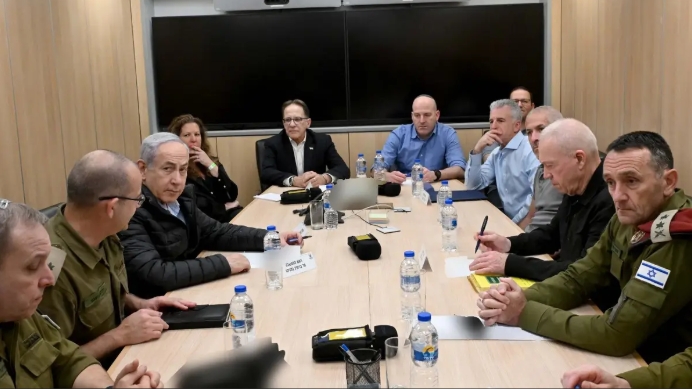
Israel has approved a significant increase in its defense budget as the country continues its military confrontation with Iran, signaling a deepening commitment to the ongoing conflict and heightened security threats across the Middle East.
The government of Benjamin Netanyahu has reportedly approved plans to expand the national defense budget by billions of dollars to support ongoing military operations, replenish weapons supplies and strengthen missile defense systems amid escalating hostilities with Tehran.
Massive Funding Boost for War Effort
According to government and financial sources, the revised budget includes an additional about $13 billion in defense spending, raising Israel’s military allocation to roughly 140 billion shekels (around $38 billion).
Officials say the funding will support continued operations against Iranian targets, expand air-defense capabilities and ensure the Israel Defense Forces (IDF) maintain readiness for a prolonged conflict.
The decision comes as Israel faces repeated missile and drone attacks from Iran and allied groups across the region. Analysts warn that the conflict could last months or even longer, placing increasing pressure on Israel’s economy and military resources.
War With Iran Intensifies
The current confrontation escalated after Israel and the United States launched coordinated strikes on Iranian military and nuclear facilities earlier in 2026 in an operation widely referred to as Operation Lion’s Roar.
Since then, Iran has retaliated with missile barrages and drone attacks targeting Israeli cities and U.S. military installations in the Middle East, while regional tensions have expanded to neighboring countries including Lebanon.
Israeli officials say the goal of the military campaign is to significantly weaken Iran’s missile and nuclear capabilities, which Israel views as an existential threat.
Foreign Minister Gideon Saar recently said the war would continue until Israel and its allies determine that the strategic threat from Iran has been neutralized.
Rising Civilian Risks
The intensifying conflict has also raised concerns about civilian safety. Israeli authorities report that Iran has used weapons such as cluster munitions during recent attacks, complicating interception efforts by Israeli air-defense systems.
Missile strikes and drone attacks have forced millions of Israelis to rely on shelters while the military works to intercept incoming threats using systems such as Iron Dome and Arrow missile defense batteries.
Economic and Global Implications
The expanded defense budget is expected to widen Israel’s fiscal deficit and could slow economic growth if the conflict persists. Financial authorities have warned that the geopolitical environment created by the war poses short-term risks to the country’s economy.
Beyond Israel, the conflict has also rattled global markets and energy supplies, particularly due to tensions around the Strait of Hormuz, a key shipping route for global oil.
Looking Ahead
Despite the economic cost, Israeli leaders say the spending increase is necessary to confront what they describe as the most serious security threat facing the country.
With missile exchanges continuing and diplomatic efforts stalled, the conflict between Israel and Iran risks becoming one of the most consequential military confrontations in the Middle East in decades.
________________________________________________________________________________________________________________