

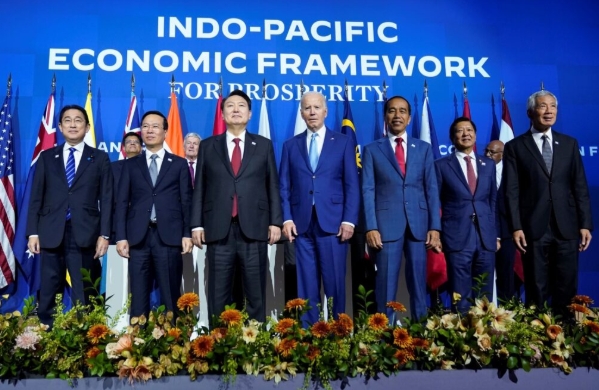
In Tokyo, Japan government ministers, industry executives and energy experts from across the Indo-Pacific region gathered in Tokyo this weekend for the Indo‑Pacific Energy Security Ministerial and Business Forum, a high-level meeting aimed at strengthening cooperation on energy security, investment and supply chain resilience.
The two-day forum, held from March 14–15, brings together leaders from nearly a dozen countries along with major business representatives in the energy, infrastructure and finance sectors to address growing concerns about energy stability in the region.
Strategic Focus on Energy Security
Organizers say the forum’s main goal is to build partnerships that can ensure reliable, affordable and secure energy supplies for the rapidly growing Indo-Pacific region, where energy demand is expected to rise sharply in the coming decades.
Delegations from countries including Australia, Indonesia, Japan, Malaysia, New Zealand, the Philippines, Singapore, South Korea, Thailand, Vietnam and Timor-Leste are attending discussions alongside energy companies and investment groups.
The United States has played a leading role in organizing the event through its National Energy Dominance Council, sending senior officials such as the U.S. secretary of energy and the interior secretary to Tokyo. The initiative is intended to deepen cooperation with Indo-Pacific allies and encourage investment in regional energy infrastructure.
Billions in Potential Energy Deals
Analysts expect the meeting to lead to major commercial agreements and investment pledges, including energy and mineral deals between Asian partners and U.S. companies that could total around $30 billion.
These agreements are likely to focus on expanding natural gas supplies, strengthening electricity infrastructure, and boosting development of new energy technologies.
Industry observers say the forum may also encourage new financing mechanisms for large energy projects across Asia, particularly in liquefied natural gas (LNG), renewable energy, and grid modernization.
Energy Crisis Raises Urgency
The meeting takes place at a time of heightened global energy concerns. Ongoing geopolitical tensions in the Middle East have raised fears of supply disruptions and contributed to rising oil prices, prompting coordinated discussions among major economies about releasing strategic petroleum reserves.
Japan, which relies heavily on imported fossil fuels, has been particularly affected by volatility in global markets. Experts say the crisis has intensified the country’s efforts to diversify energy sources and strengthen partnerships with allies.
Participation from Across the Indo-Pacific
Several governments have sent high-level representatives to the Tokyo gathering to explore energy cooperation opportunities. For example, Bangladesh’s power and energy minister traveled to the forum to discuss potential collaboration and investment opportunities in the sector.
Officials participating in the discussions say the forum will focus on ensuring that the region can secure “abundant, reliable and affordable energy” while strengthening cross-border infrastructure and supply chains.
Shaping the Future of Regional Energy
Beyond immediate supply concerns, participants are also expected to address longer-term challenges such as energy transition, clean technologies, and the role of nuclear and renewable energy in future power systems.
Energy experts believe the Tokyo forum could become a key platform for strategic energy dialogue in the Indo-Pacific, influencing investment flows and policy coordination across the region for years to come.
________________________________________________________________________________________________________________

