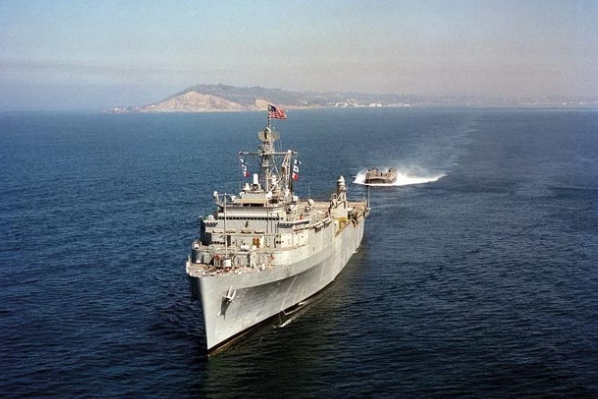
Several key U.S. allies including the United Kingdom, Australia and Japan have declined requests to deploy naval forces to the Strait of Hormuz, dealing a blow to efforts to form a multinational military coalition aimed at securing one of the world’s most critical shipping routes.
The decision comes amid escalating tensions in the Gulf following the ongoing 2026 Strait of Hormuz crisis, which has severely disrupted global shipping and energy markets.
Allies decline U.S. request for naval support
The United States had urged allied countries to contribute warships to escort commercial vessels through the strait after Iran effectively closed the strategic waterway during the escalating regional conflict.
However, leaders in the United Kingdom, Australia and Japan said they currently have no plans to send naval vessels to participate in such a mission.
Japanese Prime Minister Sanae Takaichi told parliament that Tokyo is still evaluating the situation and considering actions within its legal framework but has not approved any escort operation in the Gulf.
Australia also ruled out joining the mission, with government officials stating that Canberra had not committed to deploying ships to the area despite the strategic importance of the waterway.
The United Kingdom has similarly avoided committing warships to the operation, emphasizing diplomatic coordination and broader international consultation instead of immediate military escalation.
Strategic waterway at the center of global tensions
The Strait of Hormuz is one of the most important maritime chokepoints in the world. Located between Iran and Oman, the narrow passage connects the Persian Gulf with the Gulf of Oman and the Arabian Sea.
Roughly 20% of the world’s daily oil supply passes through the strait, making it a crucial artery for global energy markets.
Since the outbreak of the conflict between Iran, the United States and Israel earlier this year, the strait has become a focal point of military and economic confrontation. Iran has reportedly launched missile, drone and naval attacks on shipping in the region, causing tanker traffic to collapse and forcing hundreds of vessels to avoid the route.
The disruption has already pushed oil prices sharply higher and raised concerns about a major global energy shock.
Challenges for a U.S.-led naval coalition
Washington has been pushing for an international naval coalition to protect commercial shipping and reopen the waterway. But the refusal of several major allies highlights the difficulty of building consensus for a potentially risky military operation.
Many governments fear that deploying warships could draw them directly into the widening conflict with Iran. Some European leaders have argued that a diplomatic solution is the only sustainable way to restore safe passage through the strait.
Analysts say the reluctance reflects concerns over escalation and the unclear scope of the mission, particularly as tensions continue to rise across the Middle East.
Economic and geopolitical consequences
The ongoing crisis has already had profound global consequences. Shipping companies have suspended operations in the strait, while oil tanker traffic has fallen dramatically.
The disruption has affected nearly a fifth of global oil supply, triggering a surge in energy prices and raising fears of a wider economic shock if the closure persists.
Countries heavily dependent on Gulf energy imports including Japan and many European economies now face a difficult balancing act between protecting trade routes and avoiding deeper military involvement.
Diplomatic efforts continue
Despite the stalemate, diplomatic efforts are continuing behind the scenes as governments attempt to prevent further escalation.
Some nations are exploring alternative maritime security arrangements, while others are pushing for negotiations aimed at reopening the strait and stabilizing global markets.
For now, however, the lack of broad international support for a naval coalition leaves the United States largely alone in its effort to secure the vital shipping corridor underscoring the growing geopolitical divisions surrounding the crisis.
________________________________________________________________________________________________________________