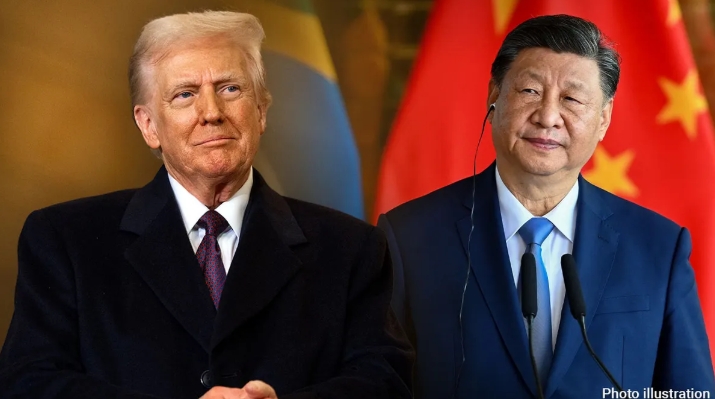
The much-anticipated summit between U.S. President Donald Trump and Chinese President Xi Jinping is facing possible delays but, not for the reasons many had expected.
Rather than trade tensions or strategic rivalry, it is the escalating conflict in Iran that is now threatening to derail or postpone the high-stakes diplomatic meeting.
Originally scheduled for late March in Beijing, the summit was expected to focus on stabilizing U.S.–China relations, including trade negotiations and geopolitical competition. However, the rapidly intensifying war involving Iran has shifted global priorities.
President Trump has reportedly requested a delay of “about a month,” citing the need to remain focused on the unfolding military situation.
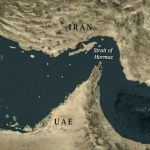
The conflict now in its third week has already triggered major global consequences, including disruptions in the Strait of Hormuz, a vital shipping route responsible for roughly 20% of the world’s oil supply.
Iran Conflict Takes Center Stage
The crisis began after coordinated U.S.–Israeli strikes on Iran, prompting retaliation from Tehran and leading to a partial blockade of the Strait of Hormuz. The result has been a sharp spike in oil prices and growing fears of a broader regional war.
Trump has since urged major global powers including China to assist in securing the waterway. However, Beijing has resisted direct military involvement, instead calling for de-escalation and a ceasefire.
China’s position reflects both strategic caution and economic vulnerability. As one of the world’s largest energy importers, Beijing relies heavily on oil flows through the strait, making stability in the region critical.
Not About Trade-At Least Not This Time
While U.S.–China tensions have historically revolved around tariffs, technology and Taiwan officials insist those issues are not behind the potential delay.
U.S. Treasury Secretary Scott Bessent emphasized that any rescheduling would be due to “logistics” tied to the Iran war not disagreements with China.
This marks a notable shift. In recent years, bilateral summits were often jeopardized by trade disputes or diplomatic standoffs. Now, an external geopolitical crisis is dictating the timeline.
Strategic Calculations on Both Sides
For Washington, postponing the summit allows Trump to maintain focus on military operations and global coalition-building efforts.
For Beijing, the delay may offer breathing room. Analysts suggest China is wary of being drawn into a U.S.-led security initiative in the Middle East while simultaneously managing its own economic and diplomatic priorities.
At the same time, both sides still have strong incentives to meet. Trade talks are ongoing, and a leadership-level summit remains crucial for preventing further deterioration in relations.
What Happens Next?
Despite uncertainty, the summit is not canceled only potentially delayed. Negotiations between U.S. and Chinese officials are continuing behind the scenes, signaling that both governments remain committed to dialogue.
However, much now depends on the trajectory of the Iran conflict:
- If tensions escalate further, the delay could extend beyond a month
- If stability returns, the summit may proceed with a revised agenda focused more on global security than trade
A Shift in Global Priorities
The possible postponement of the Trump–Xi summit underscores a broader reality: global diplomacy is increasingly shaped by interconnected crises.
What was meant to be a defining moment for U.S.–China relations is now being reshaped by events thousands of miles away in the Middle East highlighting how rapidly geopolitical priorities can shift in an era of global instability.
________________________________________________________________________________________________________________