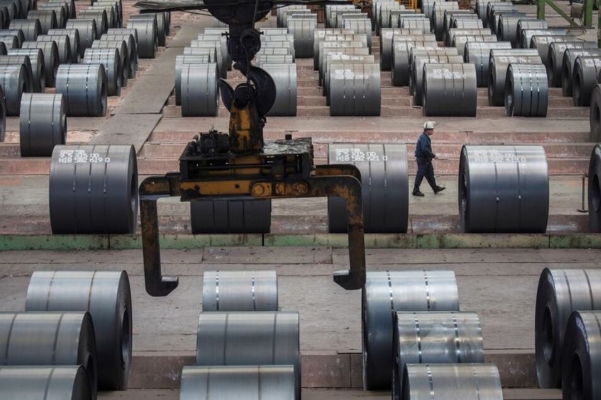
South Africa has announced steep new import tariffs on structural steel from China and Thailand after a prolonged trade investigation found evidence that foreign producers were selling steel at unfairly low prices, a move aimed at protecting local industry and jobs.
The International Trade Administration Commission of South Africa (ITAC) recommended the measures, which were approved by Trade, Industry and Competition Minister Parks Tau on Thursday. The tariffs will apply for the next five years and take effect immediately.
Sharp increases in duties
Under the new rules, structural steel imports from China will face a 74.98% tariff, one of the most punitive import duties in recent South African trade policy history. Steel from Thailand will be subject to a 20.32% duty. These follow provisional anti‑dumping measures introduced in 2024.
The tariffs target structural steel used mainly in construction and infrastructure projects and are intended to curb a surge in cheap imports that have undercut domestic producers.
Domestic market under pressure
South African steelmakers have struggled in recent years with weak local demand and a flood of low‑priced imported products particularly from China, which accounted for about 73% of steel imports before the measures were announced.
During the 2023/24 financial year, structural steel imports from China and Thailand jumped nearly 19‑fold, intensifying competition for local manufacturers already grappling with high production costs and a challenging economic environment.
Industry representatives have long argued that dumping, selling products abroad at prices below their normal value damaged South African companies and forced down market prices, making it difficult for local plants to operate sustainably.
Protection for local industry
The new tariffs are expected to bolster ArcelorMittal South Africa and other local producers by reducing the pressure from cheap imports and creating a more level playing field. Analysts say the duties aim to protect jobs and maintain production capacity in a sector seen as vital to national infrastructure and construction.
However, some critics warn that higher import costs could trickle down to consumers and businesses that rely on structural steel for construction and manufacturing, potentially increasing costs for infrastructure projects.
Government and industry response
Minister Parks Tau said the tariffs were a necessary step after evidence of persistent dumping that harmed domestic manufacturing. The decision follows a lengthy ITAC investigation that included consultations with industry stakeholders and importers.
Local industry groups welcomed the move as overdue protection for South Africa’s steel producers, but acknowledged that broader reforms and support may be needed to enhance competitiveness and encourage investment in the sector.
International trade implications
The tariffs add South Africa to a growing list of countries adjusting trade policy to defend domestic producers against surging imports, especially from China. Similar protectionist measures have been seen in Europe and North America as global steel markets remain volatile.
Officials from China and Thailand have not yet issued formal responses to the South African measures. How Beijing and Bangkok may retaliate, if at all, remains to be seen.
Looking ahead
Analysts say the steel tariffs could reshape regional trade patterns and encourage local manufacturers to increase output. But South Africa’s broader industrial sector may still face challenges, including fluctuating demand, energy costs and global competition.
As the country balances protection of local industry with the need to keep input costs manageable for consumers and businesses, the impact of these tariffs both domestically and internationally will be closely watched in the coming months.
________________________________________________________________________________________________________________