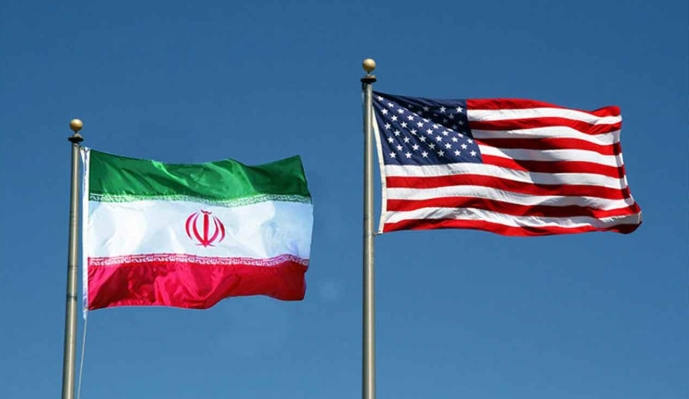
Iran is continuing to evaluate a U.S.-backed proposal aimed at ending the ongoing regional conflict, despite issuing an initially negative response, according to a senior Iranian official, in a sign that diplomatic channels remain open even as fighting intensifies.
The proposal, a 15-point plan put forward by the United States and delivered to Tehran via Pakistani intermediaries, has not been formally accepted or rejected. While Iranian officials publicly criticized the initiative, internal deliberations appear to be ongoing, suggesting divisions within Tehran over how to proceed.
Initial reaction “not positive,” but no final decision
A senior Iranian official reported that Tehran’s preliminary response to Washington’s proposal “was not positive,” though it has already been communicated back to the United States through Pakistan.
Despite this, Iran has stopped short of issuing a definitive rejection. The delay in providing a formal answer has fueled speculation that parts of the Iranian leadership may still be weighing the strategic benefits of engaging with the proposal.
Conflicting signals have emerged from Iranian media and officials. State-linked outlets suggested the proposal had been rejected outright, while other sources indicated that discussions are continuing behind closed doors.
What the U.S. proposal includes
According to officials familiar with the plan, the U.S. framework outlines sweeping conditions for de-escalation. These include demands that Iran halt uranium enrichment, scale back its ballistic missile program, and end support for regional allied groups. In exchange, the proposal reportedly offers sanctions relief and a pathway toward a ceasefire.
However, Iranian officials have criticized the terms as overly one-sided. Some described the plan as “maximalist and unreasonable,” reflecting deep mistrust toward Washington’s intentions.
Mediation efforts and indirect diplomacy
Pakistan has emerged as a key intermediary, relaying messages between Tehran and Washington. Officials in Islamabad confirmed they are still awaiting a definitive response from Iran’s leadership.
Other regional actors, including Egypt and Turkey, are also reportedly involved in efforts to broker talks, with potential venues for negotiations under discussion.
Despite these diplomatic efforts, Iran continues to publicly deny direct negotiations with the United States, maintaining a hardline stance in official statements.
War continues amid fragile diplomacy
The diplomatic maneuvering comes against the backdrop of escalating military conflict across the Middle East. Ongoing strikes between Iran, Israel, and U.S.-linked forces have caused significant damage and casualties, while tensions in key strategic areas such as the Strait of Hormuz remain high.
The United States has also increased its military presence in the region, underscoring the fragile balance between diplomacy and further escalation.
Global implications
News that Iran is still considering the proposal has had immediate international repercussions. Markets reacted positively to the possibility of de-escalation, while global leaders, including the United Nations, have called for restraint and renewed diplomatic engagement.
Nevertheless, major obstacles remain. Iran has signaled it may only accept a settlement on its own terms, while U.S. officials continue to push for broad concessions, leaving the outcome uncertain.
Outlook
For now, the situation remains fluid. Iran’s willingness to keep the proposal under review despite its negative initial reaction suggests that diplomacy is still a viable, if uncertain, path forward.
Whether the current backchannel discussions can translate into formal negotiations or a ceasefire will likely depend on both sides’ ability to bridge deep political and strategic divides in the days ahead.
________________________________________________________________________________________________________________