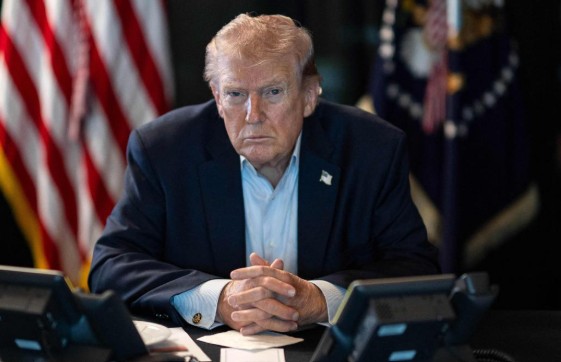
Washington offers sanctions relief while Tehran demands major concessions including control over Strait of Hormuz
Donald Trump has confirmed that the United States is actively engaged in negotiations with Iran to end the ongoing conflict, unveiling a proposed 15-point framework aimed at securing a ceasefire and long term agreement.
According to the administration, the proposal includes a month long ceasefire designed to create space for finalizing a permanent deal. Key elements of the plan reportedly address Iran’s nuclear and ballistic missile programs, as well as guarantees to keep the strategically vital Strait of Hormuz open to international shipping.
Senior U.S. officials, including Vice President J.D. Vance and Secretary of State Marco Rubio, are said to be directly involved in the negotiations as Washington simultaneously prepares to deploy additional troops to the Middle East as a precautionary measure.
In exchange for compliance with the proposed conditions, the U.S. has indicated it would offer sanctions relief and broader economic incentives to Tehran.
Iran’s Reported Demands:
Iran, however, is said to have outlined its own شروط for a ceasefire, including:
- Compensation for wartime losses
- Formal control over the Strait of Hormuz
- No limitations on its ballistic missile program
- Guarantees against future military action
These demands highlight the significant gaps that remain between the two sides, particularly over control of strategic waterways and military capabilities.
Background:
The Strait of Hormuz remains one of the world’s most critical energy corridors, with a substantial portion of global oil shipments passing through the narrow waterway. Control and security of the strait have long been central issues in U.S.-Iran tensions.
Previous diplomatic efforts to curb Iran’s nuclear ambitions have repeatedly stalled, with disagreements over sanctions, verification, and regional security continuing to hinder progress.
While negotiations are ongoing, analysts caution that reaching a comprehensive agreement may prove challenging, as both sides maintain firm positions on key strategic and security issues.