China has expressed a renewed willingness to expand imports from the European Union (EU), in a move aimed at easing trade tensions and strengthening economic cooperation between two of the world’s largest markets.
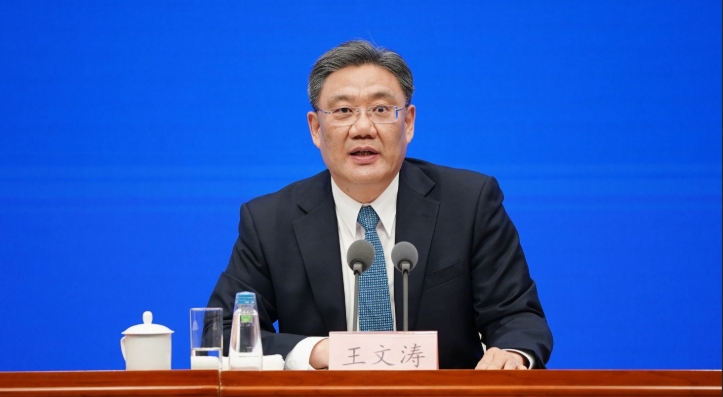
The announcement was made by China’s Commerce Minister, Wang Wentao, during a meeting with European Trade Commissioner Maroš Šefčovič on the sidelines of a World Trade Organization (WTO) conference in Cameroon. According to China’s Commerce Ministry, Beijing is prepared to “actively expand imports” from the EU while encouraging deeper collaboration in trade and investment.
Push for Balanced Trade Relations
The latest remarks reflect China’s broader strategy to rebalance its trade relationships, particularly with Europe, which has long expressed concern over a widening trade deficit with Beijing. By increasing imports of European goods especially high-quality and high-tech products, China aims to address these concerns and promote more sustainable trade flows.
Wang also called on the EU to ease restrictions on high-tech exports to China and to avoid politicizing economic relations, emphasizing the need for a “rational and objective” approach to bilateral ties.
The EU and China remain major trading partners, with bilateral trade reaching hundreds of billions of dollars annually. However, the relationship has become increasingly complex amid disputes over market access, subsidies, and regulatory standards.
Trade Frictions Persist
Despite the positive tone, underlying tensions remain. The EU has recently introduced stricter rules targeting imports, particularly from Chinese e-commerce platforms amid concerns about product safety and unfair competition.
Additionally, both sides have engaged in retaliatory trade measures in recent months, including tariffs and investigations into key sectors such as electric vehicles, agriculture and technology. These disputes highlight the ongoing challenges in achieving a fully balanced trade relationship.
At the same time, China has been actively engaging European businesses and policymakers, urging dialogue and cooperation to resolve differences. Recent meetings with major European companies and officials underscore Beijing’s intent to stabilize ties and maintain Europe as a key economic partner.
Strategic Shift Amid Global Uncertainty
China’s willingness to increase imports also comes amid shifting global trade dynamics and geopolitical uncertainty. With tensions rising in other parts of the world and protectionist policies gaining traction in some economies, both China and the EU are seeking to secure stable and diversified trade partnerships.
Chinese leaders have recently emphasized the importance of opening up the economy further and promoting more balanced trade, including boosting imports and supporting foreign businesses operating in China.
For Europe, closer economic engagement with China remains both an opportunity and a challenge. While access to the Chinese market offers significant growth potential, concerns over dependency, security, and fair competition continue to shape EU policy.
Outlook
Analysts say China’s latest signal could help create momentum for renewed dialogue between Beijing and Brussels, particularly at a time when both sides face economic headwinds and shifting global alliances.
However, meaningful progress will likely depend on concrete actions, including improved market access, regulatory transparency and mutual concessions on sensitive trade issues.
As discussions continue, the evolving China-EU relationship will remain a key factor in shaping global trade patterns in 2026 and beyond.
________________________________________________________________________________________________________________