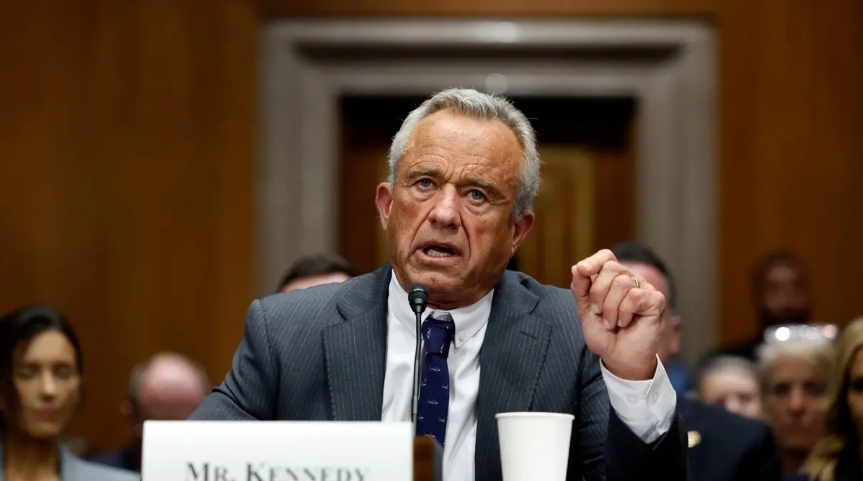
U.S. Health and Human Services Secretary Robert F. Kennedy Jr. has sharply criticized Canada’s assisted dying framework, calling it a “dangerous precedent” and warning that it risks undermining the role of healthcare systems in protecting vulnerable populations.
Strong Criticism from Washington
Kennedy’s remarks come amid growing international scrutiny of Canada’s Medical Assistance in Dying (MAID) program, one of the most expansive assisted-dying systems in the world. Speaking during a recent policy discussion, Kennedy argued that healthcare systems should prioritize treatment and support rather than facilitating death.
While the U.S. does not have a nationwide assisted dying law, Kennedy emphasized that expanding such policies particularly to non-terminal cases raises serious ethical concerns and could shift the mission of medicine away from preserving life.
Canada’s Expanding MAID Program
Canada legalized assisted dying in 2016 following a landmark Supreme Court ruling, initially limiting eligibility to patients with reasonably foreseeable death.
However, the law was expanded in 2021 to include individuals suffering from serious and incurable conditions even if they are not terminally ill.
The program has grown rapidly:
- Assisted deaths accounted for over 5% of all deaths in Canada in 2024
- Tens of thousands of Canadians have used the program since its inception
- Further expansion to include mental illness cases has been proposed but delayed until 2027
Critics, including Kennedy, argue that these expansions have outpaced safeguards.
Ethical Concerns and International Debate
Kennedy’s criticism aligns with concerns raised by some medical professionals and advocacy groups. Reports have highlighted cases where individuals sought assisted death due to socioeconomic hardship, disability, or lack of adequate care.
Human rights organizations and disability advocates have also questioned whether the system adequately protects vulnerable individuals, warning that it may inadvertently pressure patients into choosing death over insufficient support.
At the same time, supporters of Canada’s policy argue that MAID reflects respect for personal autonomy and provides compassionate options for those experiencing unbearable suffering.
Rising Global Attention
Canada’s program has become a focal point in the global debate over euthanasia and assisted suicide. With assisted deaths representing a growing share of overall mortality, the country’s approach is being closely watched by policymakers worldwide.
Some jurisdictions, particularly in Europe and parts of the United States, are considering similar legislation, while others are reassessing safeguards in light of Canada’s experience.
Broader Policy Context in the U.S.
Kennedy’s comments come as the U.S. government explores alternative approaches to addressing mental health and end-of-life care. Recent initiatives have focused on expanding treatment options, including new therapies and increased funding for mental health services.
The administration has positioned these efforts as part of a broader strategy to reduce suicide rates and improve care outcomes without expanding assisted dying access at the federal level.
Diplomatic and Policy Implications
Although Kennedy’s remarks do not signal immediate policy changes, they could influence ongoing debates within the United States and internationally. The criticism also highlights a growing divergence between U.S. and Canadian approaches to end-of-life care.
Analysts say the issue could become a point of diplomatic friction, particularly as both countries navigate broader healthcare reforms and shared public health challenges.
Outlook
The controversy surrounding Canada’s assisted dying program shows no signs of easing. As debates intensify over ethics, autonomy and the role of the state in end-of-life decisions, Kennedy’s intervention underscores how the issue is evolving into a major international policy discussion.
________________________________________________________________________________________________________________