Iran has announced a new policy granting fee exemptions for select “friendly” countries transiting the Strait of Hormuz, as part of a newly introduced toll system for maritime traffic.
Preferential Access for Strategic Partners
The move was confirmed by Iran’s ambassador to Russia, Kazem Jalali, who said the Ministry of Foreign Affairs (Iran) is implementing targeted exemptions for key allies.
Countries reportedly granted preferential access include:
- Russia, China, India, Pakistan, and Iraq
- Additional nations such as Philippines, Malaysia, Sri Lanka, and Bangladesh are also said to have secured safe passage arrangements following diplomatic engagement
Strategic and Economic Implications
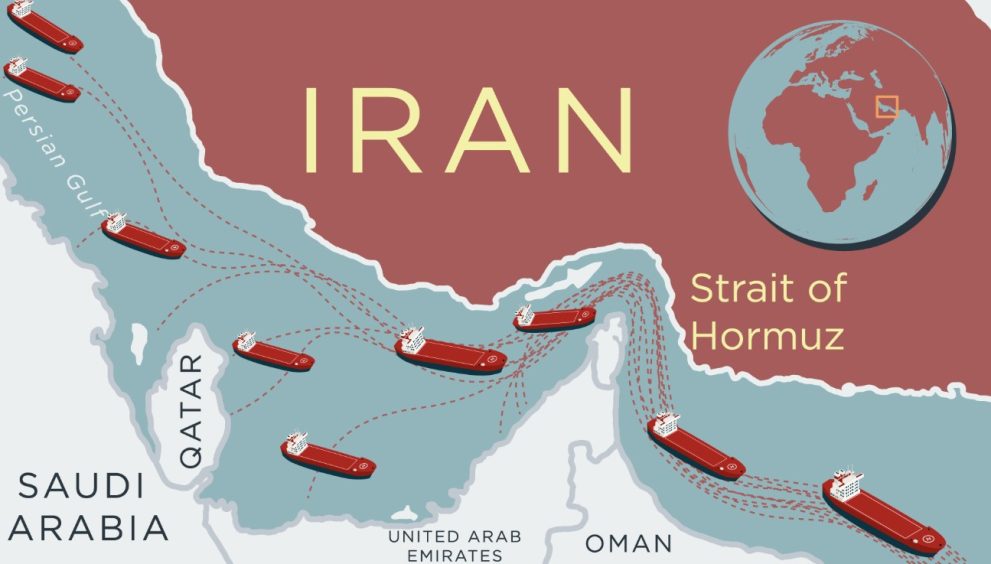
The Strait of Hormuz is one of the world’s most critical energy corridors, handling a significant share of global oil and gas shipments. Iran’s decision to introduce a toll systemn while selectively waiving fees signals a shift toward leveraging maritime access as a geopolitical tool.
Analysts say the policy could:
- Strengthen Iran’s economic ties with allied nations
- Influence global shipping routes and costs
- Increase pressure on countries not granted exemptions
Rising Tensions Over Shipping Control
The announcement comes amid heightened regional tensions and ongoing disruptions to maritime traffic in the Persian Gulf. By offering exemptions to aligned countries, Iran appears to be rewarding strategic partnerships while reshaping access to a key global trade route.
Shipping companies and governments are expected to closely monitor the situation, as the policy could have far-reaching consequences for global energy markets and international trade flows.