Nigeria’s President Bola Ahmed Tinubu has approved a 30% debt relief package for domestic airlines and directed immediate negotiations aimed at stabilising rising aviation fuel costs, in a major intervention to ease pressure on the country’s struggling aviation sector.
The announcement was confirmed by the Minister of Aviation and Aerospace Development, Festus Keyamo, following high-level consultations with the presidency and industry stakeholders.
Debt Relief to Ease Airline Financial Strain
Under the new directive, domestic airlines will receive a 30% reduction on outstanding debts owed to aviation agencies, including charges linked to airport operations, navigation services and regulatory fees.
Officials say the move is designed to provide immediate financial breathing space for carriers that have been grappling with severe liquidity challenges, largely driven by surging operational costs and fuel price volatility.
According to government sources, the relief applies to debts owed to key aviation bodies such as the Federal Airports Authority of Nigeria (FAAN), the Nigerian Airspace Management Agency (NAMA), and the Nigerian Civil Aviation Authority (NCAA).
Aviation authorities described the decision as part of broader efforts to prevent disruptions in domestic flight operations and stabilise airline finances.
Fuel Price Talks Ordered Within 72 Hours
Alongside the debt relief, President Tinubu has ordered urgent negotiations within 72 hours between airline operators, fuel marketers and regulatory agencies to agree on a fair pricing framework for jet fuel (Jet A1).
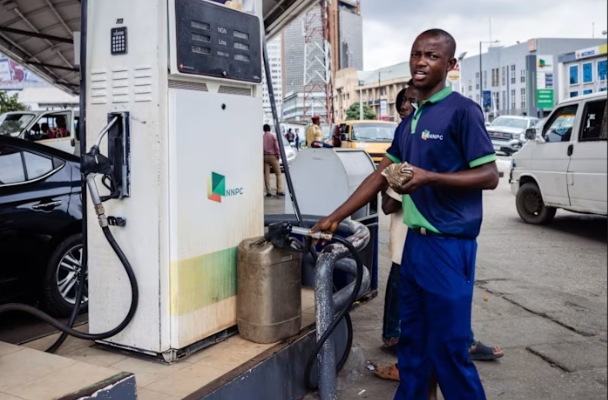
The directive follows weeks of tension in the aviation sector over sharply rising fuel costs, which have significantly increased operating expenses for airlines and raised concerns over possible flight disruptions.
Industry stakeholders had previously warned that continued fuel price increases could lead to widespread operational shutdowns or fare hikes, placing additional pressure on passengers and the wider economy.
Aviation Sector Under Pressure
Nigeria’s aviation industry has been facing mounting challenges, with airlines reporting steep increases in jet fuel prices in recent months. The rising costs have forced carriers to review schedules, delay expansion plans and seek government intervention.
Officials say the government’s latest measures aim to prevent a broader collapse of services and restore stability to a sector considered critical for domestic connectivity and economic activity.
Government Push for Stability
The Tinubu administration has positioned the intervention as part of ongoing economic reforms intended to balance market realities with industry sustainability. Authorities say the goal is to ensure airlines remain operational while addressing structural inefficiencies in pricing and taxation.
Government representatives are expected to meet airline operators and fuel suppliers in Abuja in the coming days as part of the emergency talks.
Outlook
While the 30% debt relief is expected to provide immediate short-term relief, analysts say the outcome of the fuel pricing negotiations will be crucial in determining the long-term stability of Nigeria’s aviation sector.
The coming days are likely to be decisive as stakeholders attempt to reach a consensus that could prevent further disruptions in air travel across the country.
________________________________________________________________________________________________________________