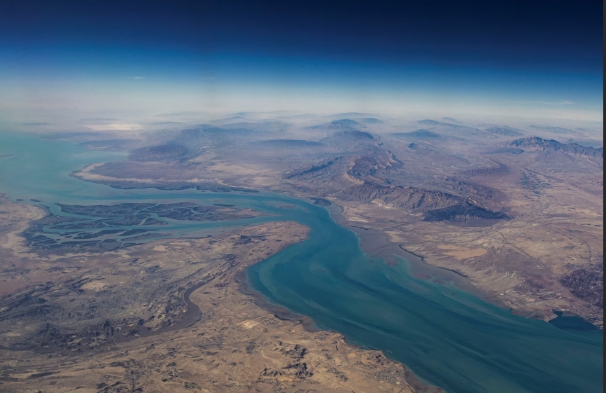
Fresh escalation in the Gulf
Fresh fighting has erupted between the United States and Iran in the Gulf, sharply raising tensions around the strategically vital Strait of Hormuz, one of the world’s most important oil shipping lanes.
The latest escalation comes as both countries try to assert control over maritime traffic in and around the narrow waterway, where military maneuvers, drone launches, missile interceptions and attacks on commercial shipping have heightened fears of a wider regional conflict.
U.S. naval response intensifies
According to reports, U.S. forces launched a renewed naval operation aimed at keeping the shipping lane open after weeks of mounting disruptions linked to the broader confrontation between Washington and Tehran.
The U.S. military said Iranian forces launched drones, cruise missiles and deployed fast attack boats near vessels moving through the strait. American warships and aircraft responded by intercepting aerial threats and targeting Iranian naval assets.
U.S. officials said several Iranian small boats were destroyed during the clashes, describing the action as part of a broader effort to protect commercial shipping and maintain freedom of navigation.
Iran defends its maritime posture
Iran rejected the U.S. account and said its naval forces were acting within what it considers its own maritime security zone.
Tehran has repeatedly warned that foreign military operations near the Strait of Hormuz could be met with force. Iranian officials say outside powers are destabilizing the region and insist that control of the strategic waterway remains central to Iran’s national security and regional leverage.
For Iranian leaders, pressure in the Gulf remains one of the strongest strategic tools available in their wider confrontation with Washington.
Commercial shipping caught in the middle
Commercial vessels have increasingly become exposed to the dangers of the escalating standoff.
Recent incidents have involved projectiles striking merchant shipping and vessels being forced to alter course or wait for military escorts before attempting transit.
Shipping companies have become more cautious about moving cargo through the region. Some operators have delayed voyages while others are reviewing alternative routes to reduce risk.
The Strait of Hormuz carries roughly one-fifth of the world’s traded oil and a major portion of global liquefied natural gas exports. Any sustained disruption could quickly affect global energy markets.
Oil market concerns deepen
Oil prices rose following reports of the latest attacks, reflecting fears that a prolonged naval confrontation could threaten supply chains.
Maritime insurance premiums have also climbed sharply as underwriters price in the growing risks of operating in the Gulf.
Energy analysts say even limited disruptions in the waterway can have an outsized impact on global markets because of the sheer volume of crude exports passing through the route every day.
U.S. escorts and freedom of navigation
The United States has stepped up maritime escort operations to demonstrate that commercial traffic can still move through the region.
American military officials say naval destroyers, surveillance aircraft and drones have been deployed to monitor shipping routes and deter further attacks.
The operation is also intended to reassure allies in the Gulf that Washington remains committed to keeping one of the world’s most critical trade corridors open.
Diplomatic efforts face growing pressure
Diplomatic contacts continue behind the scenes as regional governments work to prevent the confrontation from expanding.
However, neither side appears ready to ease pressure.
For the United States, keeping the Strait of Hormuz open is essential to global commerce and regional stability.
For Iran, demonstrating that it can challenge shipping in the Gulf remains an important source of leverage.
A dangerous maritime flashpoint
The latest attacks underscore how quickly tensions in the Gulf can escalate.
While neither Washington nor Tehran may be seeking a full-scale war, repeated naval confrontations, drone attacks and missile interceptions are increasing the risk of miscalculation.
As both sides continue testing each other at sea, the Strait of Hormuz remains one of the world’s most dangerous flashpoints a narrow corridor where even a limited clash could trigger much wider regional consequences.
________________________________________________________________________________________________________________