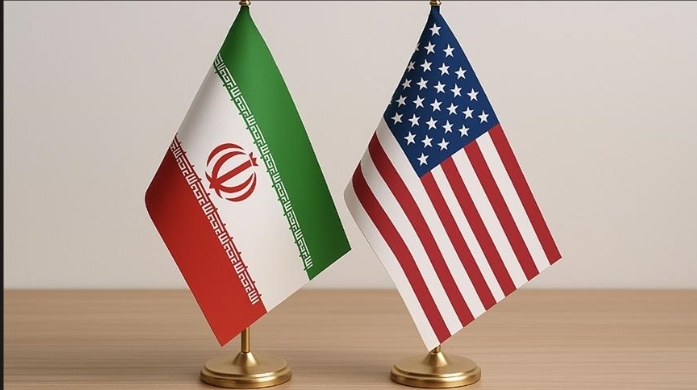
The United States and Iran are moving closer to a tentative memorandum of understanding that could formally end weeks of conflict in the Gulf and open the way for broader negotiations over Iran’s nuclear program, according to officials and sources familiar with the talks. The proposed draft, described as a one-page framework, is being seen as the closest both sides have come to a breakthrough since the fighting began.
Draft Deal Emerges After Weeks of Conflict
According to sources briefed on the negotiations, the draft memorandum contains roughly 14 key points and is intended to establish the principles for ending active hostilities while launching a structured follow-up negotiating process. The framework reportedly aims to halt military escalation, reduce pressure in the Strait of Hormuz, and create a 30-day window for detailed talks on the larger political and nuclear issues dividing Washington and Tehran.
The negotiations are being advanced through both direct and mediated channels, with Pakistan playing a significant intermediary role. Officials familiar with the process say responses from Iran on several unresolved provisions could come within the next 48 hours.
Key Issues Still Being Negotiated
One of the main sticking points remains uranium enrichment.
Iran is reported to have offered a temporary moratorium on enrichment activities, while Washington has pressed for a much longer freeze. Sources familiar with the talks say negotiators are now exploring a compromise that could bridge the gap between the two positions. Another major issue under discussion is the possible removal of highly enriched uranium from Iranian territory a step Tehran had previously resisted.
In return, the United States could consider phased sanctions relief and the release of frozen Iranian assets, though officials caution that these terms remain under active negotiation and nothing has yet been finalized.
Strait of Hormuz Central to Talks
The draft memorandum is also closely tied to security in the Strait of Hormuz, one of the world’s most important shipping chokepoints.
President Donald Trump earlier paused a U.S. maritime operation designed to guide commercial vessels through the strait, a move widely interpreted as an attempt to create diplomatic space for the talks. Any agreement is expected to include reciprocal easing of restrictions affecting maritime transit in the Gulf.
The potential reopening of normal shipping routes has already affected global markets. Oil prices fell sharply Wednesday on expectations that a diplomatic settlement could reduce the immediate threat to energy supplies.
Internal Pressures in Washington and Tehran
Despite the momentum, diplomats caution that political divisions remain significant on both sides.
U.S. officials have indicated optimism but stress that important details still need to be settled. On the Iranian side, internal debate continues over the acceptable limits of concessions, especially regarding nuclear restrictions and verification mechanisms. Sources close to the negotiations say this internal uncertainty remains one of the biggest obstacles to a final accord.
Secretary of State Marco Rubio has also signaled that the current draft should be viewed as a framework rather than a final peace treaty, emphasizing that a comprehensive agreement would require additional rounds of negotiation.
A Potential Turning Point
If signed, the memorandum would not itself resolve all U.S.-Iran disputes. But it could mark the first formal political framework to emerge from the current conflict.
Such a deal would likely halt immediate military escalation, restore a measure of stability to global energy markets, and reopen diplomatic channels between two governments whose relations have been defined by confrontation for decades. Analysts say the next 48 hours may prove decisive in determining whether the draft evolves into a formal agreement or becomes another failed diplomatic effort in a long history of mistrust.
For now, negotiators appear closer than at any point since the war began but officials on all sides continue to stress that no agreement is final until both governments formally endorse the text.
________________________________________________________________________________________________________________